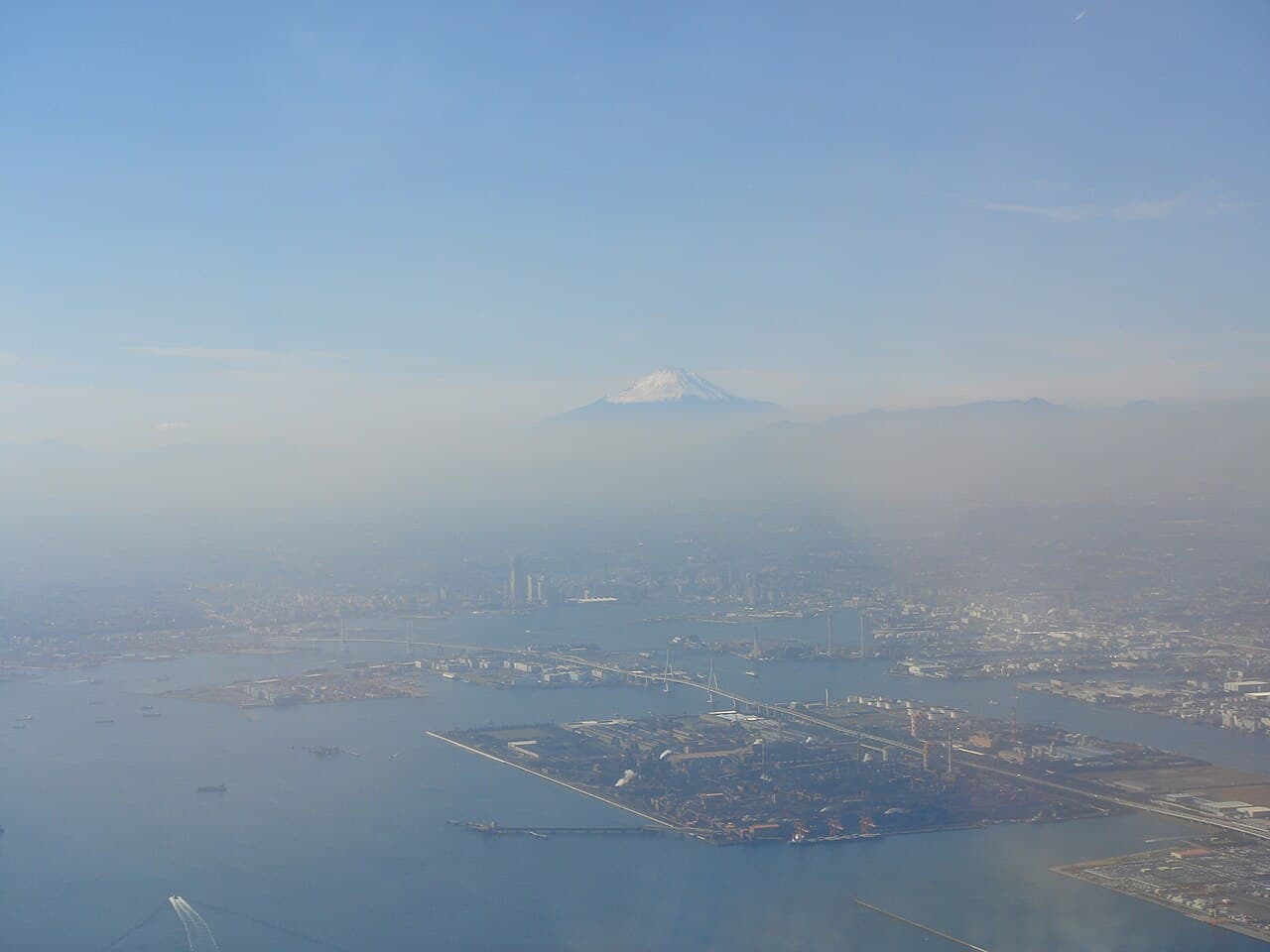
Kanto has four distinct seasons that shape the travel experience profoundly. The two reference periods are spring (March to May) for the cherry blossoms and autumn (October to November) for the momiji — the flaming reds and golds of the maple and ginkgo trees.
Spring is Kanto's flagship season. The sakura bloom in Tokyo typically falls between late March and mid-April, reaching full bloom (mankai) around 25-30 March. Parks are transformed into pink and white tableaux, and hanami (cherry-blossom picnics) fill every patch of green for two weeks. May brings wisteria at Kawachi Fuji and azaleas at Nezu Jinja. The one downside: peak-bloom weekends are the busiest of the year across the entire region.
Autumn is Kanto's second great season. From mid-October to late November, maple (momiji) and ginkgo (ichou) trees turn red and gold — most spectacularly in the gardens of Rikugien and Hamarikyu in Tokyo and in the forests of Nikko, which hold some of Japan's finest autumn colours. Temperatures are ideal for walking all day (10-18 °C), and visibility of Mount Fuji is at its clearest in November.
Winter (December to February) is the quietest season but far from without appeal. Tokyo skies are often perfectly clear, delivering the best views of Mount Fuji from the city's observation platforms. Christmas illuminations transform Omotesando and Marunouchi. Skiers head to the Japanese Alps, reachable by Shinkansen. Museum and temple crowds are at their lowest from mid-January to mid-February — ideal for unhurried visits.
Summer (June to August) is the least comfortable season for most travellers. The rainy season (tsuyu) in June brings near-daily precipitation, and July-August combine stifling humid heat (35 °C, 80% humidity) with peak tourist volumes. If summer is unavoidable, start every day at dawn before the heat builds, favour higher-altitude destinations (Nikko, Hakone) and end each evening at a rooftop hanabi (fireworks festival) over Tokyo Bay.
Read also
- Tokyo, the unmissable megacity — Shibuya, Shinjuku, Asakusa, Akihabara — a complete neighbourhood-by-neighbourhood guide to Japan's capital.
- Kamakura and its Great Buddha — Zen temples in forested hills, the bronze Daibutsu and the beaches of the Enoshima coast.
- Japan — Complete guide to the archipelago: visa, budget, regions to discover and the best time to visit.
- Kansai — Kyoto, Osaka and Nara — Japan's historic heartland: thousand-year-old temples, geisha districts and extraordinary cuisine.