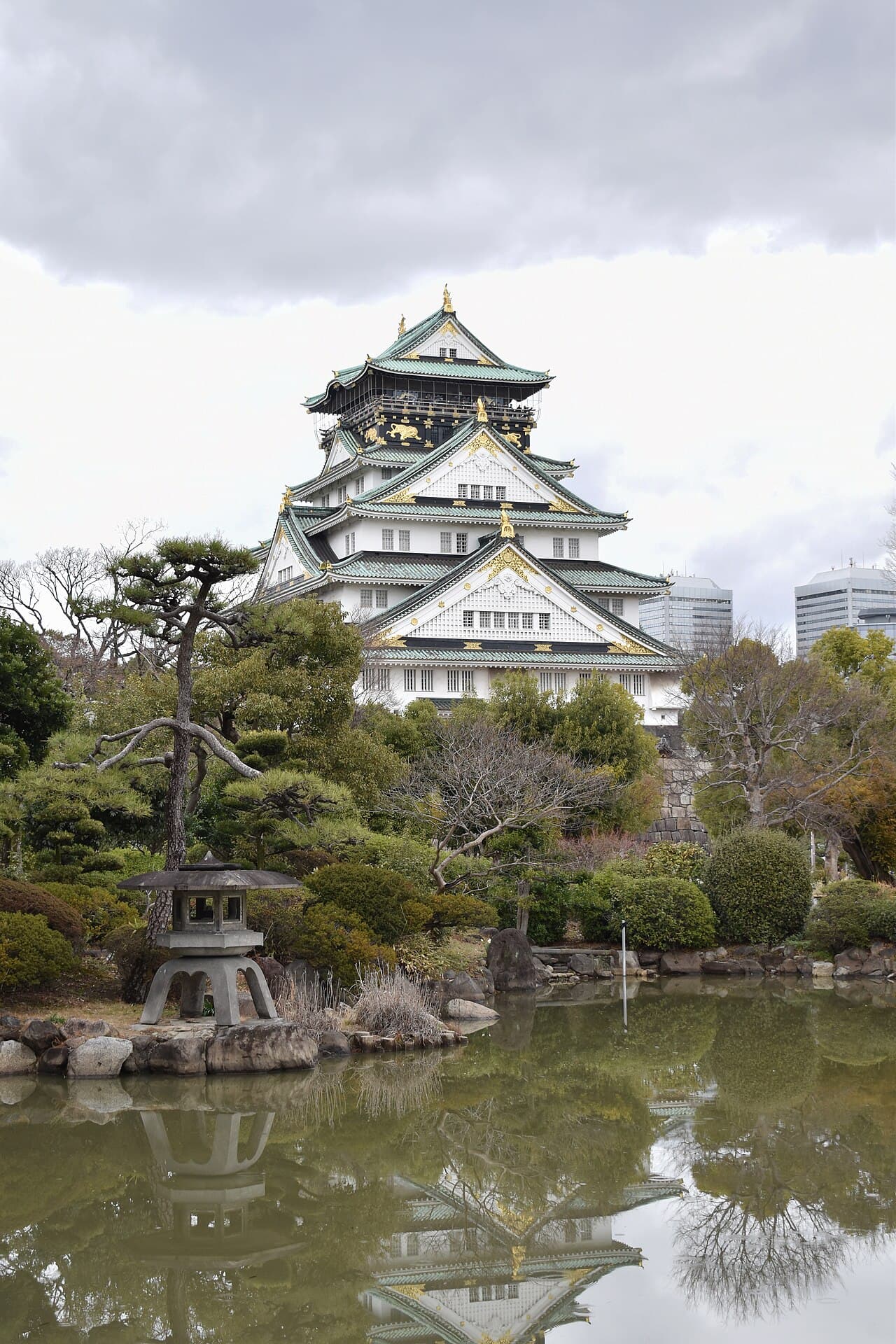
Kansai is a four-season destination, but two windows stand apart: spring (March to mid-April) for the cherry blossoms and autumn (November) for the foliage — two moments when the region achieves a beauty that justifies the journey on its own.
In spring, the sakura bloom transforms Kyoto into an Impressionist painting. Full bloom typically falls between 25 March and 5 April. Cherry-blossom avenues along the Kamo River, the 700 cherry trees of Heian Jingu, petals drifting across the tile rooftops of Gion — these scenes rank among the most beautiful in Japan. But beauty has its price: Kyoto in sakura season is the most visited destination in the country, with streets sometimes saturated at noon in popular zones. The strategy: rise before 6:30 am to have Fushimi Inari, Arashiyama and Maruyama Park to yourself; retreat to secondary neighbourhoods (Fushimi, Ohara, Kibune) during peak hours.
In autumn, momiji (Japanese maple foliage) peaks in Kyoto from mid-November to early December. Tofuku-ji temple, with its centuries-old maples over a wooden bridge above a ravine, is one of Japan's most reproduced images. Eikan-do, Kinkaku-ji and the Ryoan-ji garden are illuminated on selected evenings until 9 pm — the autumn light-ups create a lantern-lit magic in the cold night. Nara in autumn is particularly striking: deer among golden ginkgos, Todai-ji in morning mist.
The shoulder seasons (May, October) offer an excellent compromise: stable weather, manageable crowds, fair prices. May (outside Golden Week) is particularly recommended — good weather, fewer tourists and the moss gardens like Saiho-ji at their most lush. October sees the first hints of autumn colour in the mountain forests.
Summer (July-August) is the least comfortable season: oppressive humid heat, maximum crowds and peak accommodation prices. The only counterpoint: the Gion Matsuri festival in July — Japan's largest traditional festival, with its float parade on the 17th. Winter (December-February) rewards those who brave the cold: Kyoto under snow is a rare and moving spectacle, the temples recover their serenity, and hotel rates fall significantly.
Read also
- Kyoto, the ancient imperial capital — Zen temples, Gion geisha, Arashiyama bamboo grove and 10,000 torii at Fushimi Inari — the complete Kyoto guide.
- Osaka, Japan's food capital — Dotonbori, takoyaki, Kuromon Ichiba and Osaka Castle: Japan's most laid-back major city.
- Japan — Complete guide to the archipelago: visa, budget, regions to discover and the best time to visit.
- Kanto — Tokyo and its region — Tokyo's megacity, Mount Fuji, Kamakura and Nikko — modern and spectacular Japan.