Kansai offers a wealth of cultural, gastronomic and spiritual experiences concentrated within a radius of under 100 km. Kyoto, Osaka, Nara, Himeji and Mount Koya form the five unmissable pillars.
In Kyoto, experiences divide into thematic circuits. The Arashiyama circuit (northwest): the Sagano bamboo grove (at 7 am), Tenryu-ji and its Muromachi-era Zen garden, a walk along the Oi-gawa, a detour to Jojakko-ji on the hillside for the maples. The Fushimi-Inari circuit (south): 10,000 vermilion torii in ascending rows up Mount Inari — one of Japan's most enchanting walks (allow 2h for the full round trip to the summit). The Gion-Higashiyama circuit (east): the stone-paved Ninenzaka and Sannenzaka streets, Kiyomizudera on its terrace over the hills, Gion in the evening. The northern circuit (Kinkaku-ji, the stone garden of Ryoan-ji, Ninnaji) covers the UNESCO heritage of northwest Kyoto. A tea ceremony experience (from ¥1,000) is available in dozens of teahouses around the temples — the most accessible introduction to the Zen arts of Kyoto.
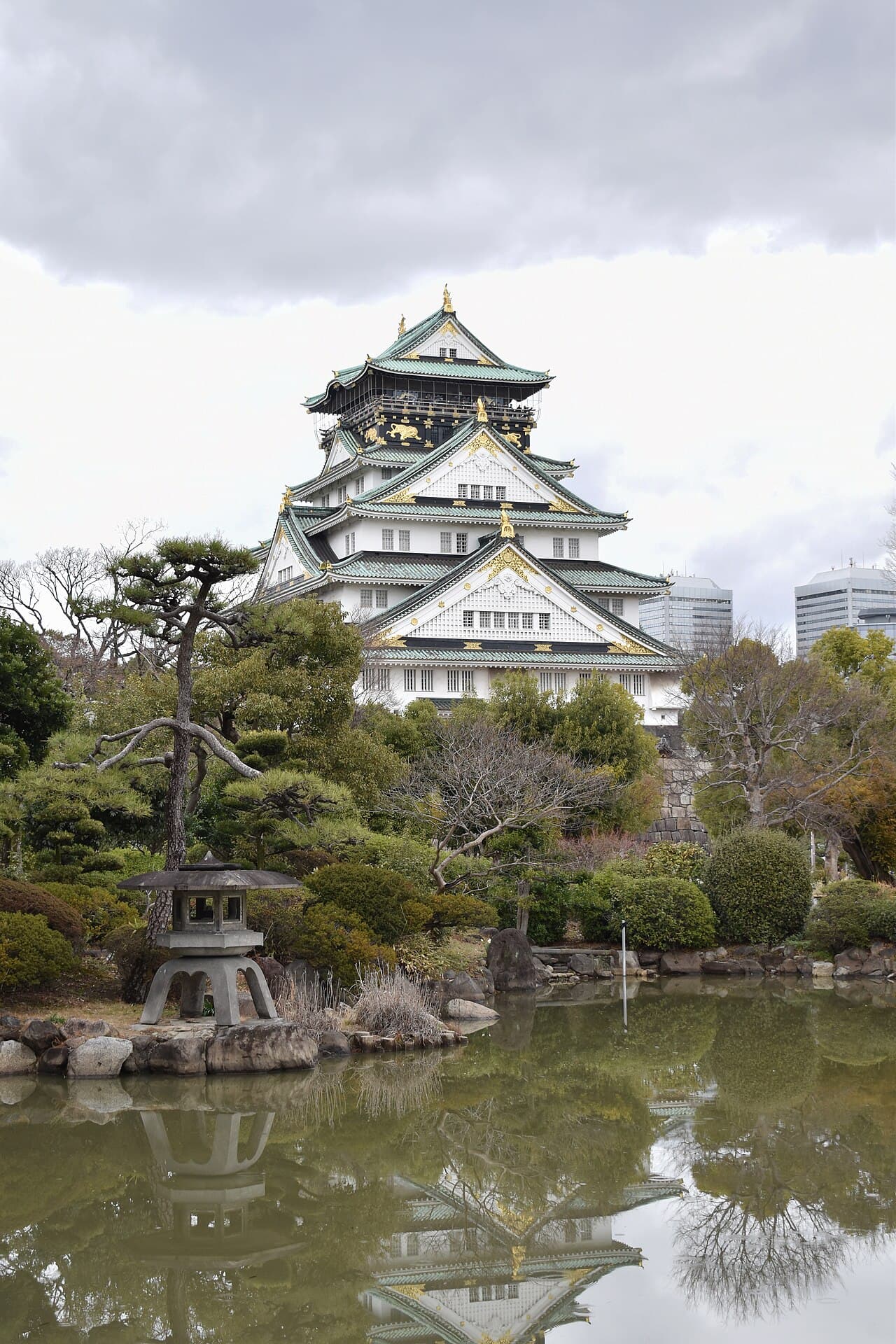
In Osaka, culture is primarily popular and gastronomic. The Dotonbori district and its giant mechanical crabs and spinning octopuses are the city's most kitsch and most authentic symbol. Kuromon Ichiba (170 stalls) is Japan's finest food market for sampling raw and cooked seafood, wagyu and tropical fruit. Osaka Castle (a concrete reconstruction but highly photogenic) and the artistic Nakanoshima district (museums, galleries, riverside cafés) provide a cultural counterpoint. At night, Shinsaibashi and Amemura for shopping, Namba for izakaya — Osaka is Japan's most welcoming city for night owls.
Nara deserves a full day, particularly for the unique atmosphere of the park with its 1,200 freely roaming sacred deer (shika). Todai-ji houses Japan's largest bronze Buddha (Daibutsu, 14.9 m) inside the world's largest wooden structure. Kasuga Taisha and its 3,000 stone and bronze lanterns, Kohfuku-ji and its five-storey pagoda complete the circuit.
Mount Koya (Koyasan) requires at least one overnight stay. Okunoin cemetery — 200,000 grave markers beneath an 800-year-old cedar forest — is most powerfully experienced in the evening by lantern light and at dawn, two moments of contemplation that few places in the world can equal.
Read also
- Kyoto, the ancient imperial capital — Zen temples, Gion geisha, Arashiyama bamboo grove and 10,000 torii at Fushimi Inari — the complete Kyoto guide.
- Osaka, Japan's food capital — Dotonbori, takoyaki, Kuromon Ichiba and Osaka Castle: Japan's most laid-back major city.
- Japan — Complete guide to the archipelago: visa, budget, regions to discover and the best time to visit.
- Kanto — Tokyo and its region — Tokyo's megacity, Mount Fuji, Kamakura and Nikko — modern and spectacular Japan.