Central Italy is a region where cultural and gastronomic experiences stack up at every turn. In Rome, the absolute priorities are the Roman Forum and Palatine archaeological site, the Colosseum (online booking mandatory), the Vatican Museums and Sistine Chapel (reservation essential in high season), the Pantheon (free first thing in the morning since 2023), Piazza Navona and the Trevi Fountain. The city also unfolds on foot through its neighbourhoods: Trastevere for the village-in-the-city atmosphere, Testaccio for the covered market and the traditional Roman trattorie. Don't miss the Capitoline Museums, the oldest public museums in the world, home to the Capitoline Wolf and the equestrian Marcus Aurelius. For something quieter, the Baths of Caracalla offer one of the least crowded ancient sites in Rome — and host open-air opera on summer evenings. The Prati quarter, between the Vatican and Castel Sant'Angelo, is ideal for a lunch in a real trattoria — local residents still eat here, which says everything. The Via Appia Antica, closed to traffic on Sundays and walkable on foot or bike, ranks among the most beautiful archaeological promenades in Europe.
In Florence, the headline list runs through the Uffizi (reservation mandatory in summer), the Duomo and Baptistery (climb the campanile for the view), Palazzo Pitti and the Boboli Gardens, the Accademia for Michelangelo's David, and the Ponte Vecchio at first light before the day groups arrive. The city also rewards a slower, foodier rhythm: the San Lorenzo market, the Mercato Centrale and the wine bars of Oltrarno. For a less obvious treat, head to the Museo dell'Opera del Duomo — too often skipped — which holds the original sculptures from Giotto's bell tower and Michelangelo's late Pietà. The walk up to San Miniato al Monte from the Arno gives you the broadest panorama of the city, anchored by the Romanesque basilica at the top.
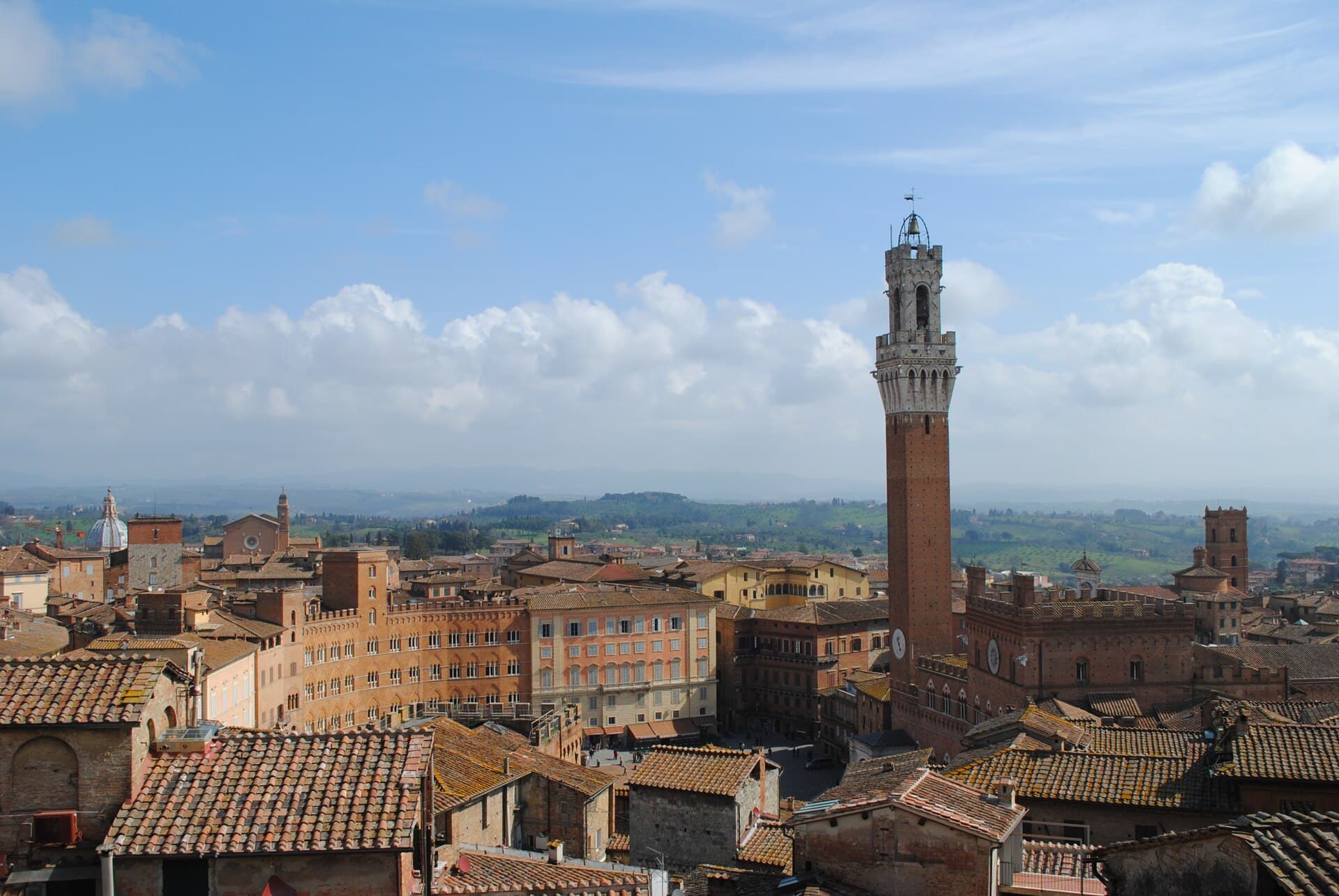
In the Tuscan and Umbrian countryside, the experiences pile up: a Chianti Classico tasting at a winery between Greve and Radda; a day in Siena for the Piazza del Campo and the Duomo; a night in a Val d'Orcia agriturismo with the cypress-lined road for a view; the November white-truffle market in San Miniato. Lucca, ringed by intact Renaissance walls you can ride a bike around, is the surprise that many visitors name as their favourite Tuscan stop. Orvieto, perched on its tufa cliff, deserves the detour for its Gothic cathedral and the wine cellars carved into the rock beneath. In Umbria, Assisi and the Basilica of Saint Francis remain a cultural and spiritual pilgrimage. In Le Marche, Urbino — Raphael's birthplace — shelters the Palazzo Ducale, arguably the most refined piece of Renaissance architecture in Italy, and one too few visitors bother to find.
Read also
- Rome, the Eternal City — The Roman Forum, the Colosseum, the Vatican and la dolce vita in Italy's capital.
- Florence, cradle of the Renaissance — The Uffizi, the Duomo and the Chianti hills just beyond the city gates.
- Italy — Complete country guide: entry rules, regions, budget and when to visit.
- Northern Italy — Venice, the Cinque Terre and the Po Valley to explore further north.