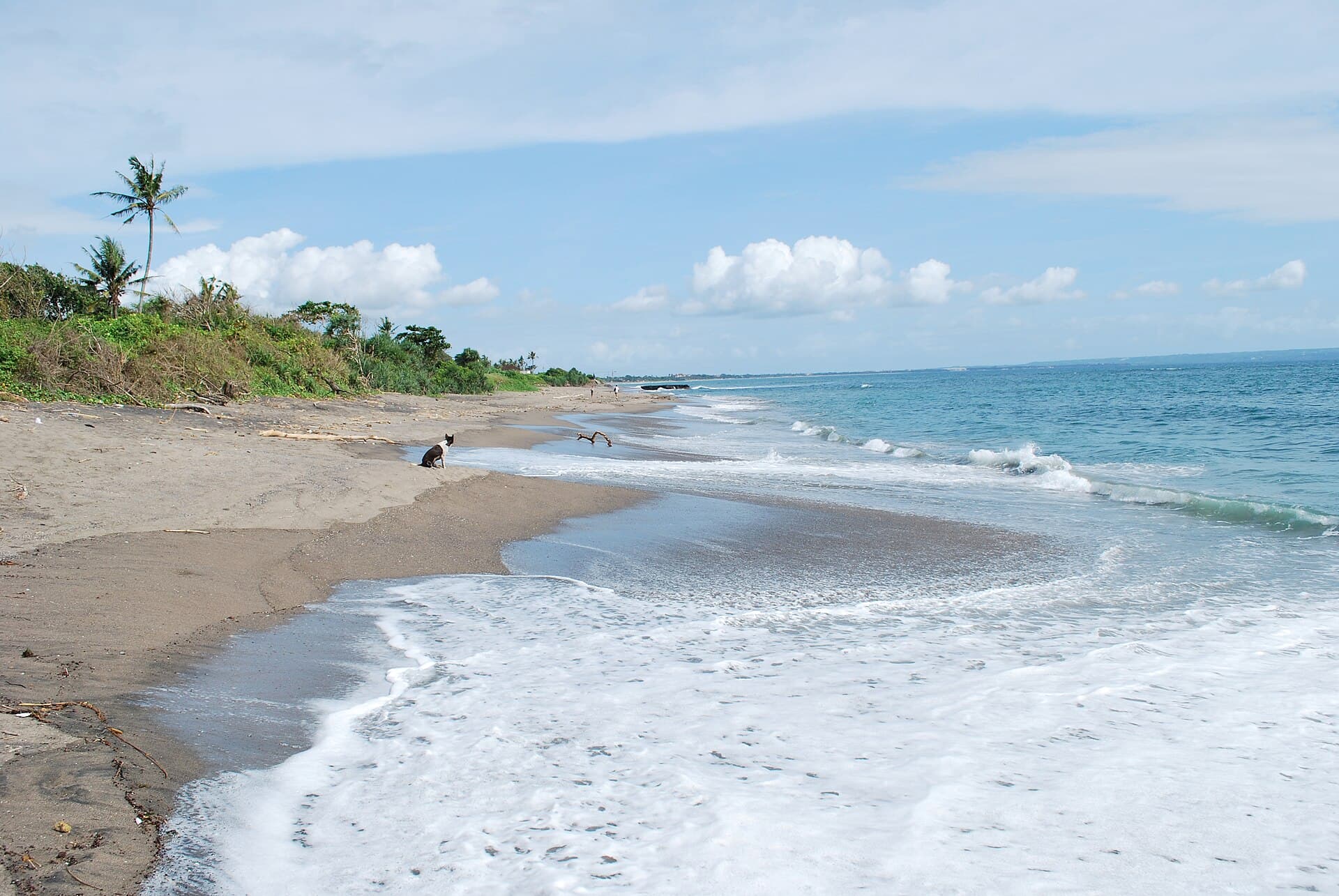
village
Canggu
Bali's coolest surf village — where rice fields meet beach bars and the best coffee shops in Southeast Asia.
Canggu is a coastal village on the west coast of Bali, 15 km north-west of Seminyak, that has transformed in less than ten years from a sleepy stretch of rice fields and black-sand beaches into the headquarters of Bali's surfers, digital nomads and travellers looking for something more laid-back than Kuta and more lively than Ubud. Its two flagship beaches — Echo Beach and Batu Bolong Beach — generate consistent intermediate-friendly waves in an unmistakably international beach-culture atmosphere. Surf schools cluster along the sand, longboards lean against café windows, and the daily rhythm runs from dawn paddle-outs to sunset Bintangs on the volcanic-sand shoreline.
Canggu is also home to one of Bali's most creative food and coffee scenes. Specialty coffee shops pulling flat whites and açai bowls line Jalan Batu Bolong, alongside plant-based restaurants, Mexican taquerías, Neapolitan pizzerias and natural-wine bars. That density of food culture, combined with daily surf and Indian Ocean sunsets that rival Santorini's, has turned Canggu into one of the most talked-about destinations in Southeast Asia. The downside is well documented — traffic snarls Jalan Batu Bolong by mid-morning, and the village has lost some of its quieter, agrarian charm. But for the right traveller — the intermediate surfer, the remote worker, the visitor wanting a Bali that still feels alive — Canggu delivers a singular blend that few other beach destinations in Asia can match.
What we love
- ✅Surf accessible for intermediate riders at Echo Beach and Batu Bolong
- ✅One of Bali's most creative and varied food and café scenes
- ✅Stunning Indian Ocean sunsets from the beach bars every evening
- ✅Laid-back international vibe — ideal for solo travellers and digital nomads
- ✅Complete infrastructure: surf schools, yoga studios, spas, coworking spaces
What to know
- ❌Mass tourism climbing fast — Canggu has lost some of its village charm
- ❌Constant traffic on Jalan Batu Bolong, especially during daylight hours
- ❌Waves not really beginner-friendly (currents and submerged rocks)
- ❌Less suited to families with young children (rocky beaches, strong currents)
Situation
Où se situe Canggu ?
Ouvrir la carte en grand sur OpenStreetMap →Frequently asked questions
Is Canggu suitable for beginner surfers?+
Where is Canggu in relation to Bali airport?+
Is Canggu worth it, or is it too crowded?+
What are the best cafés and restaurants in Canggu?+
Which Canggu beach should you choose?+
How do you get around in Canggu?+
Canggu or Seminyak — which one should you choose?+
Is Canggu a good base for remote work?+
Our verdict
Canggu is Bali's most-talked-about beach destination for a reason: daily surf, the island's best cafés and Indian Ocean sunsets all wrapped into one easygoing village. Its reputation has pulled in more travellers than the infrastructure was designed for — traffic and creeping development are real downsides that no honest review can ignore. But for the intermediate surfer, the remote worker or the traveller looking for a Bali that still feels alive and creative without Kuta's tackiness, Canggu is one of the best bases on the island.
The rule of thumb: stay long enough to settle into the rhythm — five nights minimum, ideally a week or more. Mornings belong to the water (Echo Beach is at its best before 10am), midday to a long lunch in the laneways and a coworking session if you are working remotely, and evenings to the sunset on the volcanic sand. Travel in May, June or September to avoid the summer crush, and stay slightly inland (Berawa, the rice-field villas) if you want to escape the main-street noise. Done right, Canggu is one of Bali's most rewarding addresses — and it tends to keep travellers longer than they expected.
Réserver votre séjour
Liens partenaires — une commission peut nous être reversée, sans surcoût pour vous.
 HébergementAnnulation gratuite
Hôtels & villas en Indonésie
Villas privées de Bali, bungalows des Gili et guesthouses d'Ubud : comparez les hébergements de tout l'archipel.
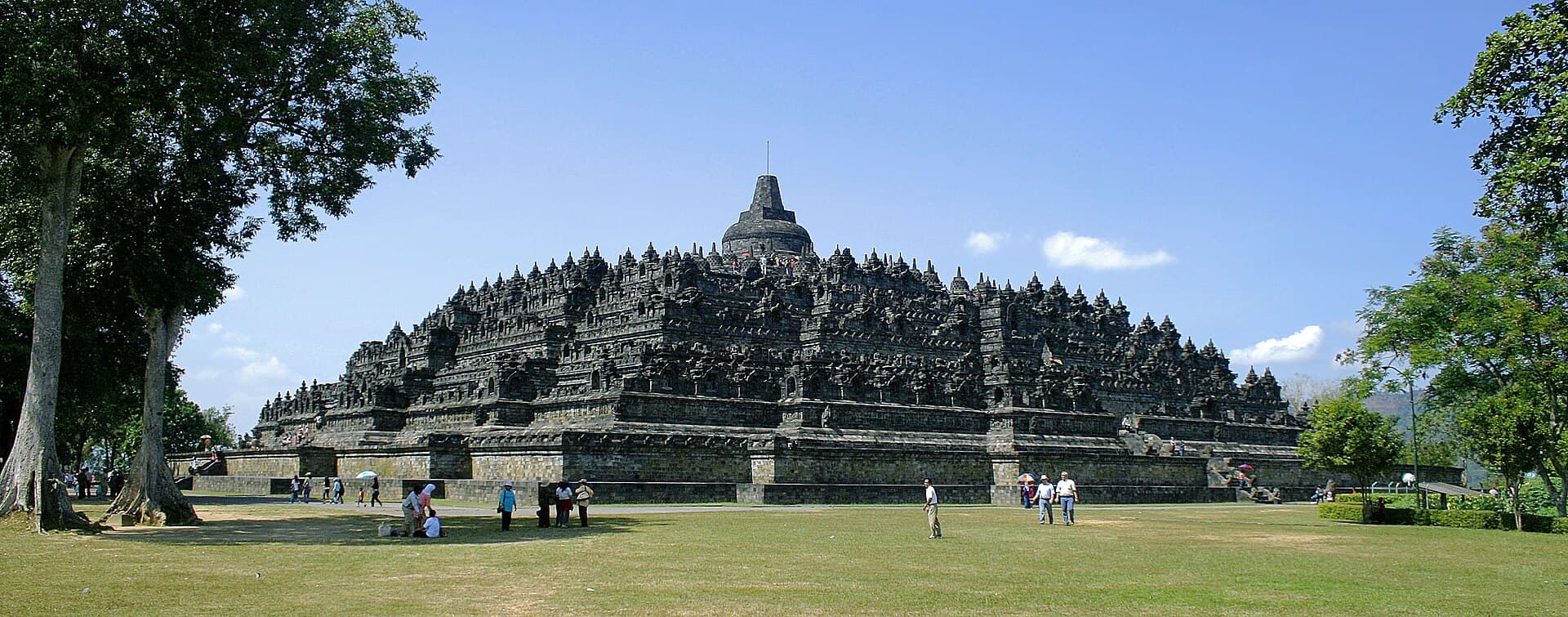
ActivitéCoup de cœurTemples, volcans & plongée en Indonésie
Lever de soleil sur Borobudur, ascension de volcans, plongée aux Gili, rizières d'Ubud : les expériences phares.
VolComparateurVols vers l'Indonésie
Bali (Denpasar) et Jakarta via une escale : comparez les compagnies sur ce long-courrier d'environ 16 à 18 h.
Nearby



"Février est le cœur de la mousson à Canggu : pluies intenses en après-midi, mais les matins permettent souvent une session de surf. Idéal pour les riders confirmés cherchant des vagues puissantes."
Expert on Canggu · 1 contributions