Mowando

Region

Red Sea

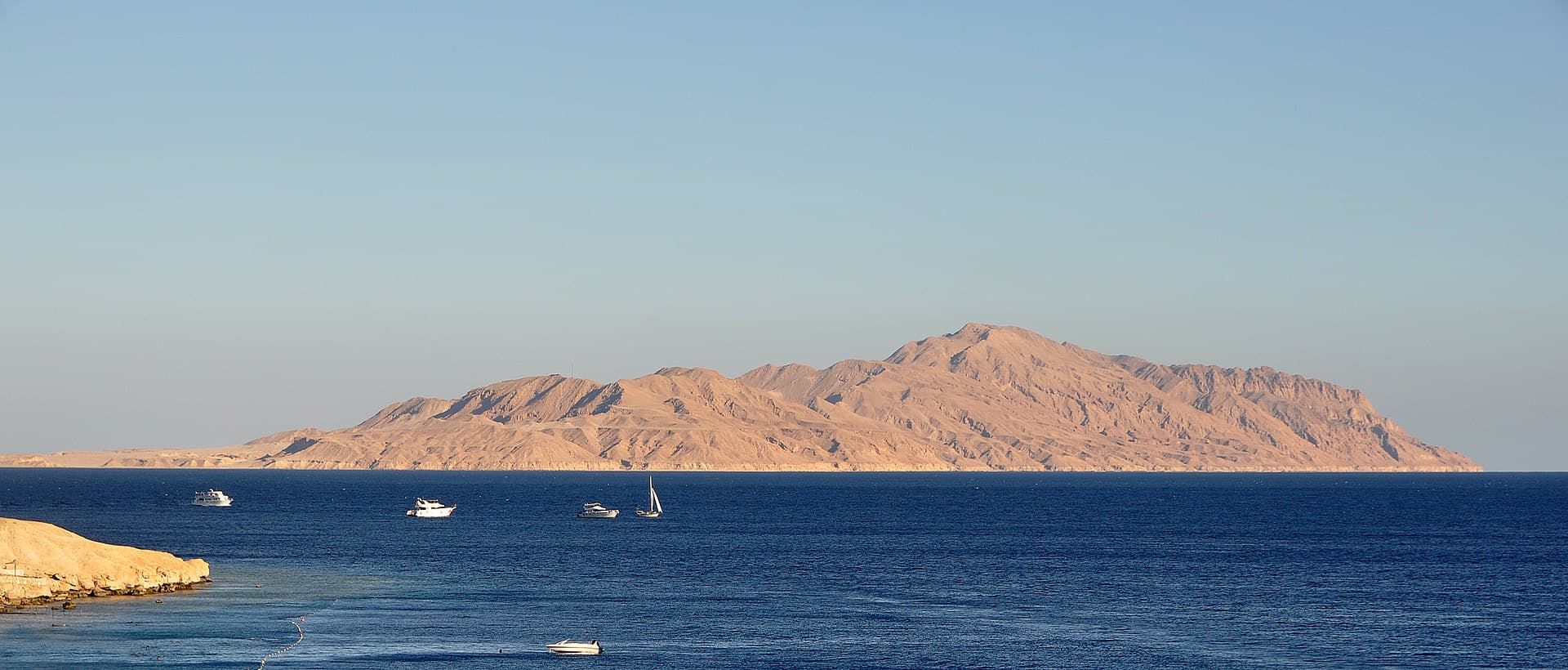
One of the world's best diving destinations: pristine coral reefs, 30 m visibility, iconic marine life (dolphins, dugongs, reef sharks, manta rays) at accessible prices — Egypt's western Red Sea coast over 600 km from Hurghada to Marsa Alam.

4.70

The Egyptian Red Sea coast stretches over 600 km from north to south, between the Sinai Peninsula and the Sudanese border, and constitutes one of the world's top diving and snorkelling destinations. The coral reefs, among the best preserved on the planet thanks to warm currents (22-30 °C year-round), high salinity (39-40 g/L versus 35 g/L in the Mediterranean) and an almost continuous sunny climate, are home to more than 1,200 species of fish, 17% of which are endemic to the Red Sea.

The west coast is structured around five main seaside destinations. Hurghada (250,000 inhabitants), the tourist capital of the region created in the 1980s, concentrates 60% of the all-inclusive resorts of the country — practical for family holidays but without particular charm. El Gouna, a private resort village created by billionaire Samih Sawiris north of Hurghada, is the high-end alternative — careful Mediterranean architecture, lagoons, marina, golf, international level kitesurf school. Soma Bay and Sahl Hasheesh are two closed bubble-resorts south of Hurghada, dedicated to luxury tourism (Sheraton, Kempinski, Mövenpick). Safaga, an industrial port 60 km south of Hurghada, is less glamorous but serves as a starting point for the best diving cruises in the northern Red Sea. Marsa Alam, resort village created in the 2000s 280 km south of Hurghada, is now the hotspot for expert divers — access to the mythical sites of Elphinstone (vertical wall to 100 m), Sha'ab Samadai (sanctuary of long-beaked dolphins), Sataya Reef and Marsa Mubarak bay (resident dugongs).

Scuba diving is the heart of the region's attractiveness. More than 200 listed sites, from the coastal reef accessible by snorkelling from the beach to legendary wrecks (the Thistlegorm in the north, a British cargo ship sunk in 1941 by the Luftwaffe, still containing trucks, motorcycles and locomotives; the Salem Express at Safaga). Reference sites: Brothers Islands (two isolated islets offshore, 70 km south of Hurghada, hammerhead and thresher sharks in autumn), Daedalus Reef (off Marsa Alam, oceanic sharks), Elphinstone Reef (off Marsa Alam, vertical wall, hammerhead sharks), St John's Reef (far south, near Sudan, offshore diving). More than 100 PADI/SSI certified diving centres operate in the region.

Beyond diving, the region also offers desert excursions from Hurghada (4x4 in the Arabian Desert, visit to the Coptic monasteries of Saint Anthony and Saint Paul — the two oldest Christian monasteries in the world, 4th century), exceptional kitesurfing and windsurfing (El Gouna, Soma Bay, constant thermal winds), and getaways to Luxor (3h30 by road from Hurghada) to combine diving and pharaonic heritage.

Explore Red Sea

Spots in the region
Situation

Où se situe Red Sea ?

Ouvrir la carte en grand sur OpenStreetMap →

Frequently asked questions

Which Red Sea resort to choose: Hurghada, El Gouna or Marsa Alam?+
It depends on your profile. __Hurghada__ (250,000 inhabitants, 60% of the country's resorts) is the __family and economical__ choice — wide choice of 3-5 star all-inclusive hotels at affordable prices, many direct charter flights, kids' entertainment, easy transfers to diving sites. Without architectural charm but practical. __El Gouna__ (private resort, 25 km north of Hurghada) is the __high-end and lifestyle__ option — careful Mediterranean architecture, lagoons, marina, international golf, world-class kitesurf school, young and trendy atmosphere. More expensive (+30-50% vs Hurghada). __Marsa Alam__ (280 km south of Hurghada) is for __expert divers__ and wild nature lovers — access to the best diving sites in Egypt (Elphinstone, Brothers, Daedalus, Sataya), iconic marine life (dolphins, dugongs), more isolated and more expensive resorts. __Soma Bay and Sahl Hasheesh__ (between Hurghada and Safaga) are the __luxury and golf__ destinations (Sheraton, Kempinski, Mövenpick).
When is the best diving season in the Red Sea?+
__Year-round__ is divable, but with nuances. __March-May and September-November__ are the best seasons — water at 24-27 °C (3mm wetsuit), visibility 25-30 m, very active marine life. __Winter (December-February)__ is cooler (water at 22-24 °C, 5mm wetsuit recommended) but it is the season of __hammerhead sharks at Elphinstone__ and __oceanic sharks at Daedalus__ — unmissable for expert divers. __Summer (June-August)__ offers warm water (28-30 °C, no wetsuit or shorty) and the __dolphin season at Sataya Reef and Sha'ab Samadai__, but extreme heat out of water (38-43 °C). For __diving cruises__ at Brothers, Daedalus and St John's, book 4-6 months in advance, particularly for October-November (shark season).
Do you need to be certified to dive in the Red Sea?+
No, the __Red Sea is one of the best places in the world for your first dive or your certification__. All diving centres in the main resorts (Hurghada, El Gouna, Marsa Alam, Soma Bay) offer __PADI or SSI training__ in English, French or German. __Discovery dive__ (1 discovery dive, no certification, €50-80): accessible from age 10, supervised by an instructor. __Open Water Diver__ (4-day initial training, €350-450, lifetime international certification): allows you to dive up to 18 m anywhere in the world. __Advanced Open Water__ (2-day training, €280-350): allows you to dive up to 30 m and includes a night dive. Conditions are ideal for learning: warm water, perfect visibility, shallow sites accessible from the beach.
What are the most beautiful Red Sea dives?+
The __world reference sites__ accessible from Egypt: 1) The __Thistlegorm__ (British cargo ship sunk in 1941 by the Luftwaffe, still containing trucks, motorcycles, locomotives — accessible by cruise from Hurghada or Sharm el-Sheikh). 2) The __Brothers Islands__ (two isolated islets 70 km south of Hurghada, hammerhead and thresher sharks in October-November, expert offshore diving). 3) __Daedalus Reef__ (off Marsa Alam, oceanic sharks, big pelagics). 4) __Elphinstone Reef__ (off Marsa Alam, vertical wall, hammerhead sharks in autumn, dolphins). 5) __Ras Mohammed__ (south of Sinai, protected national park, exceptional biodiversity). 6) __St John's Reef__ (far south, near Sudan, expert offshore diving). 7) The __Salem Express__ (wreck at Safaga, ferry sunk in 1991 with passengers on board — controversial site). For beginner divers: __Abu Dabbab__ and __Sha'ab Samadai__ (Marsa Alam) — reefs accessible from the beach, green turtles and long-beaked dolphins.
Can you combine the Red Sea with a visit to the pyramids and Luxor?+
Yes, it is even the __classic Egypt itinerary__ — typically 12-14 days. Several combination options. Option 1 (recommended): __Cairo/Giza (3-4 days) + Nile cruise Luxor-Aswan (4-7 nights) + Red Sea (3-5 days)__. Luxor-Hurghada transit by private bus (3h30) or by plane via Cairo (1h30 + layover). Option 2 (more direct): __Cairo (3 days) + Red Sea (7 days) + day excursion to Luxor from Hurghada__ (by bus 6h round trip with guide, tiring but possible). Option 3 (most complete): __Cairo + Nile + Red Sea + Sinai__ over 16-18 days. Prefer the all-inclusive packages from specialised tour operators (Marsans, Égypte-Express, Voyages Le Diamantaire) who manage the complex inter-regional logistics.
Is Hurghada safe for tourists?+
Yes, the __western Red Sea coast (Hurghada, El Gouna, Soma Bay, Safaga, Marsa Alam) is considered safe__ by the French Ministry of Foreign Affairs. Visible police presence at resort entrances and on the coastal road. The main risks: __tourist scams__ (unmetered taxis, fake guides), __poorly organised desert excursions__ (overloaded 4x4s, reckless drivers), __dives offered by uncertified centres__ (imperatively check PADI/SSI certification and equipment condition). __Room thefts__ are rare in large resorts but possible: use the hotel safe. The Hurghada-Luxor road crosses 280 km of isolated desert — prefer official tourist buses (Go Bus, Super Jet) or private transfers organised by your hotel.
What are the desert excursions from Hurghada worth?+
Desert excursions from Hurghada are __very variable in quality__. Avoid the 'Bedouin safari' formulas sold at €30-50 which usually consist of an overcrowded 4x4, noisy quad ride, standardised dinner under a tent with fake folkloric dance. Prefer __serious operators__ (Desert Joy Tours, Egypt Explorers, El Gouna Travels) who offer: 1) __Visit to the Coptic monasteries of Saint Anthony and Saint Paul__ (the two oldest Christian monasteries in the world, 4th century, 4h from Hurghada — unmissable for Christian spirituality enthusiasts); 2) __Day desert excursion__ in a private 4x4 with English-speaking guide (€200-300/vehicle for 1-4 people, access to wadis, dunes and authentic Bedouin villages); 3) __Diving + desert combination__ over several days with accommodation in a Bedouin eco-lodge. The __day visit to Luxor__ (3h30 by road each way, visit to Valley of the Kings + Karnak, return) is tiring but possible — prefer 2 days minimum if possible.

Our verdict

The Egyptian Red Sea coast is one of the best beach and diving destinations in the world, particularly for Europeans who benefit from direct charter flights at reasonable cost. Diving and snorkelling are of international level, all-inclusive resorts offer excellent value for money, and the climate allows year-round swimming. Choose your destination according to your profile: Hurghada for economical family holidays, El Gouna for high-end and kitesurfing, Soma Bay and Sahl Hasheesh for luxury and golf, Marsa Alam for expert diving and iconic marine life (dolphins, dugongs, sharks). Ideally combine 5-7 days Red Sea after a cultural discovery of Cairo + Nile cruise for a complete Egypt trip in 12-14 days.

Mowando Letter

Once a month: the right destinations for the right season + the best booking windows.

No spam. One-click unsubscribe. Your data is never shared.