Region
Cairo and Giza
The historic heart of Egypt: the Giza plateau and its three millennia-old pyramids, the Grand Egyptian Museum which finally reunites Tutankhamun's complete treasure, and the sprawling megacity where medieval Islam, Coptic Christianity and the pharaohs coexist within a few streets of each other.
The Cairo and Giza region concentrates the essential pharaonic and medieval heritage of Egypt within an 80 km radius of the capital. Cairo, a 22-million-person megacity (the largest in Africa and the Arab world), is not an easy destination — incessant noise, pollution, monstrous traffic — but no other city in the world offers such a density of architectural masterpieces over such an extended historical period.
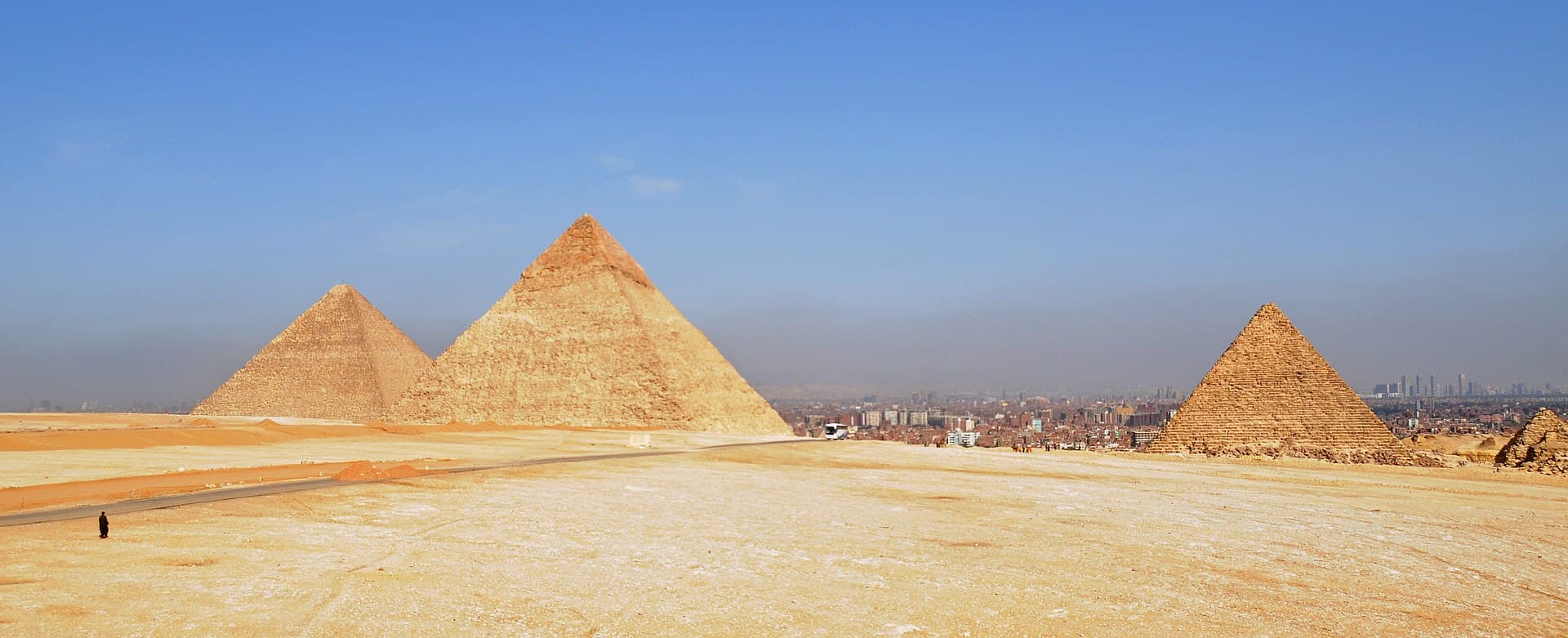
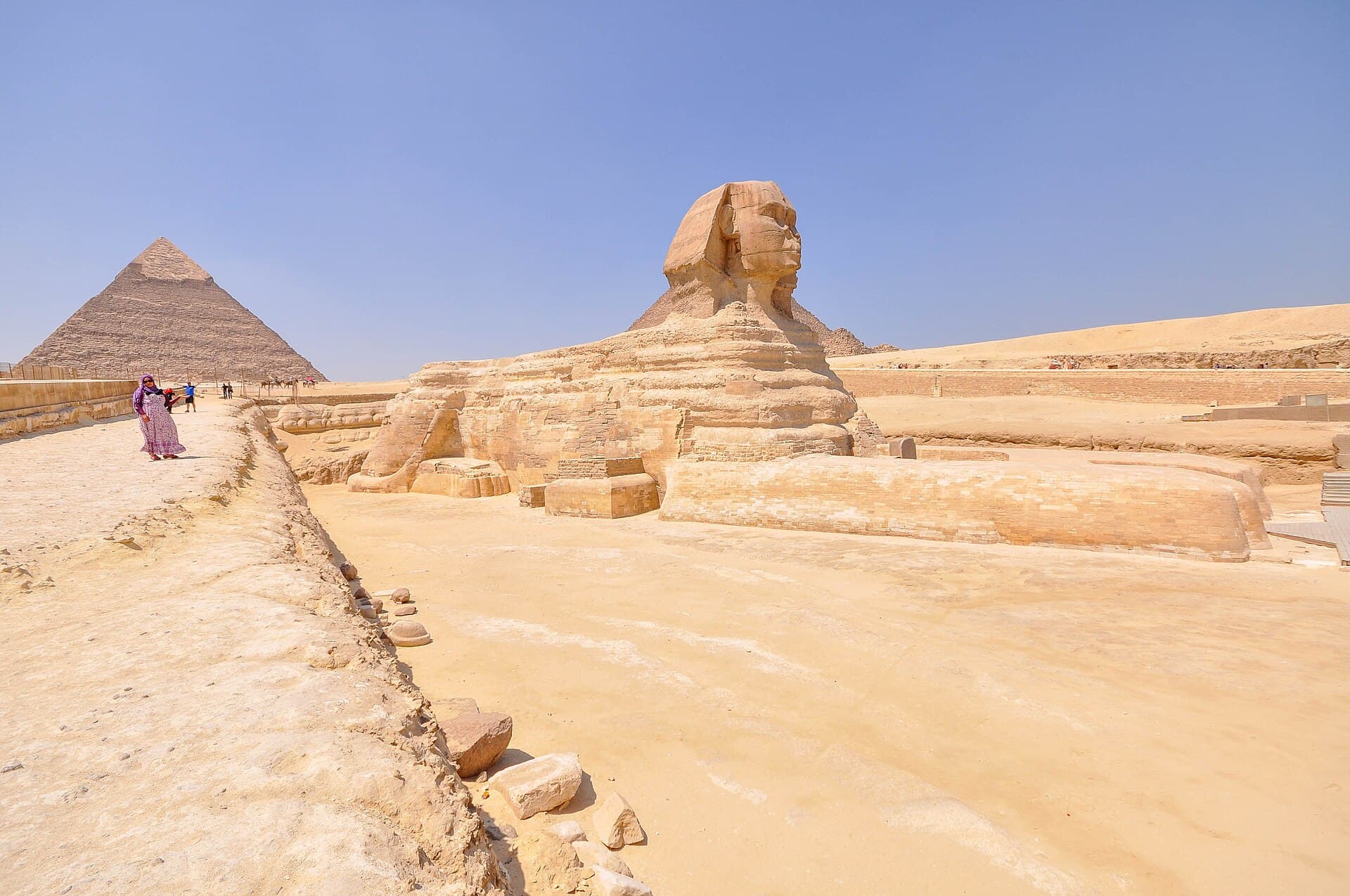
The iconic site remains the Giza Plateau, 18 km west of the centre, where three great pyramids rise (Khufu, originally 146 m tall, the last of the Seven Wonders of the Ancient World still standing; Khafre and Menkaure) alongside the Sphinx, millennia-old guardian with its weathered face. At their feet, the brand-new Grand Egyptian Museum (GEM), officially inaugurated in 2024 after twenty years of construction and a billion euros of investment, is now the largest archaeological museum in the world — 480,000 sqm, 100,000 pieces, and Tutankhamun's complete treasure finally reunited (5,398 objects including the gold mask and the three nested sarcophagi).
Twenty-five kilometres to the south, Saqqara houses the Step Pyramid of Djoser (2630 BC), the first pyramid ever built, alongside a funerary complex of mastabas and decorated tombs that surpass those of Giza in refinement. Further on, Dahshur and Sneferu's Bent Pyramid show the architectural trial and error that preceded Khufu, and Memphis, capital of the Old Kingdom, preserves a colossus of Ramses II lying in an open-air museum.
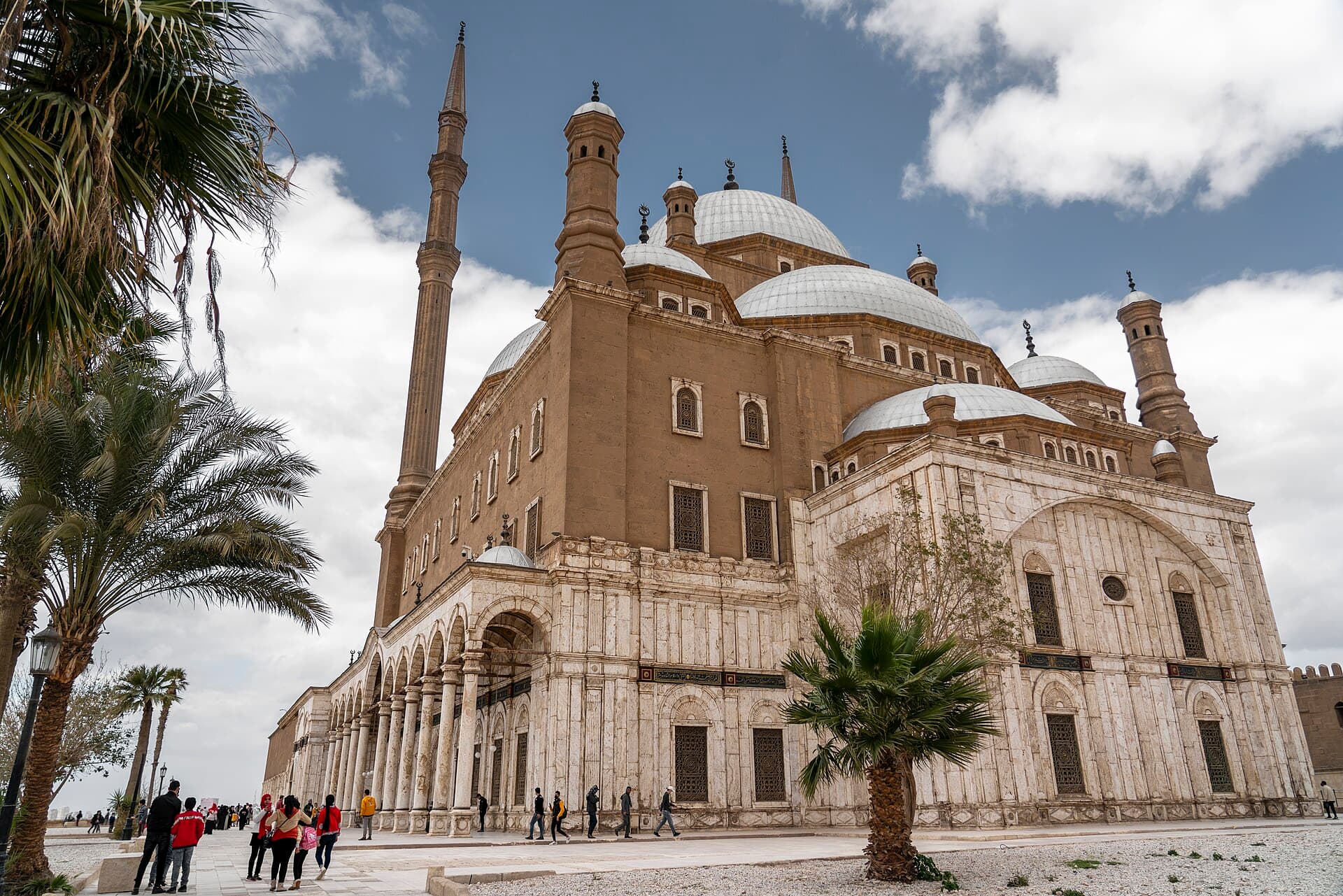
Old Cairo divides into two complementary poles. Coptic Cairo (Misr al-Qadima), to the south, gathers the Roman fortress of Babylon, the Hanging Church (al-Muallaqa), the Church of Saints Sergius and Bacchus where the Holy Family is said to have taken refuge during the flight into Egypt, and the Coptic Museum. Islamic Cairo, UNESCO-listed, displays 800 years of medieval architecture: Ibn Tulun Mosque (9th century, oldest in Cairo still intact), Sultan Hassan Mosque, Citadel of Saladin and Mohamed Ali Mosque (recognisable Ottoman silhouette), Khan el-Khalili bazaar (14th century) and its artisan alleys (coppersmiths, perfumes, spices, water pipes).
Explore Cairo and Giza
Spots in the region
Situation
Où se situe Cairo and Giza ?
Ouvrir la carte en grand sur OpenStreetMap →Frequently asked questions
How many days do you need to visit Cairo and Giza?+
Is the Grand Egyptian Museum really worth the trip?+
Do you need a guide to visit the Giza pyramids?+
Can you enter the inside of the pyramids?+
Is Old Cairo safe for tourists?+
What is Saqqara and why visit it?+
Where to stay in Cairo to fully enjoy the region?+
Our verdict
The Cairo and Giza region is a mandatory stop on any trip to Egypt — and probably the most astonishing experience that 5,000 years of accumulated human heritage can offer. Dedicate at least 3 to 4 full days: a full day at the Giza Plateau + Grand Egyptian Museum (which deserves a half day on its own), a day in Islamic and Coptic Old Cairo (Ibn Tulun mosque, Khan el-Khalili, Citadel, Hanging Church), and a day at Saqqara/Dahshur/Memphis to understand the genesis of pyramid architecture. Stay at Giza (Mena House, direct view of Khufu) for the magical side, or in Zamalek (a leafy island at the heart of Cairo) for tranquillity. Book your French-speaking guides through reputable operators to avoid scams.