Mowando

Region

Zagreb region

The other face of Croatia — the one ignored when heading straight to the coast: a Vienna-inspired historic capital, preserved national parks and one of the best Christmas festivals in Europe.

4.80

Zagreb and Continental Croatia are the great forgotten of classic Croatian trips, almost always sacrificed in favour of the Adriatic coast. This is a mistake — for the historic capital of the country and its continental hinterland compose a totally different experience, more Mitteleuropean than Mediterranean, and offer some of the most surprising discoveries in Croatia: refined urban life, remarkable Austro-Hungarian heritage, deep forests inhabited by bears and lynx, and one of the most magical Christmas markets in Europe.

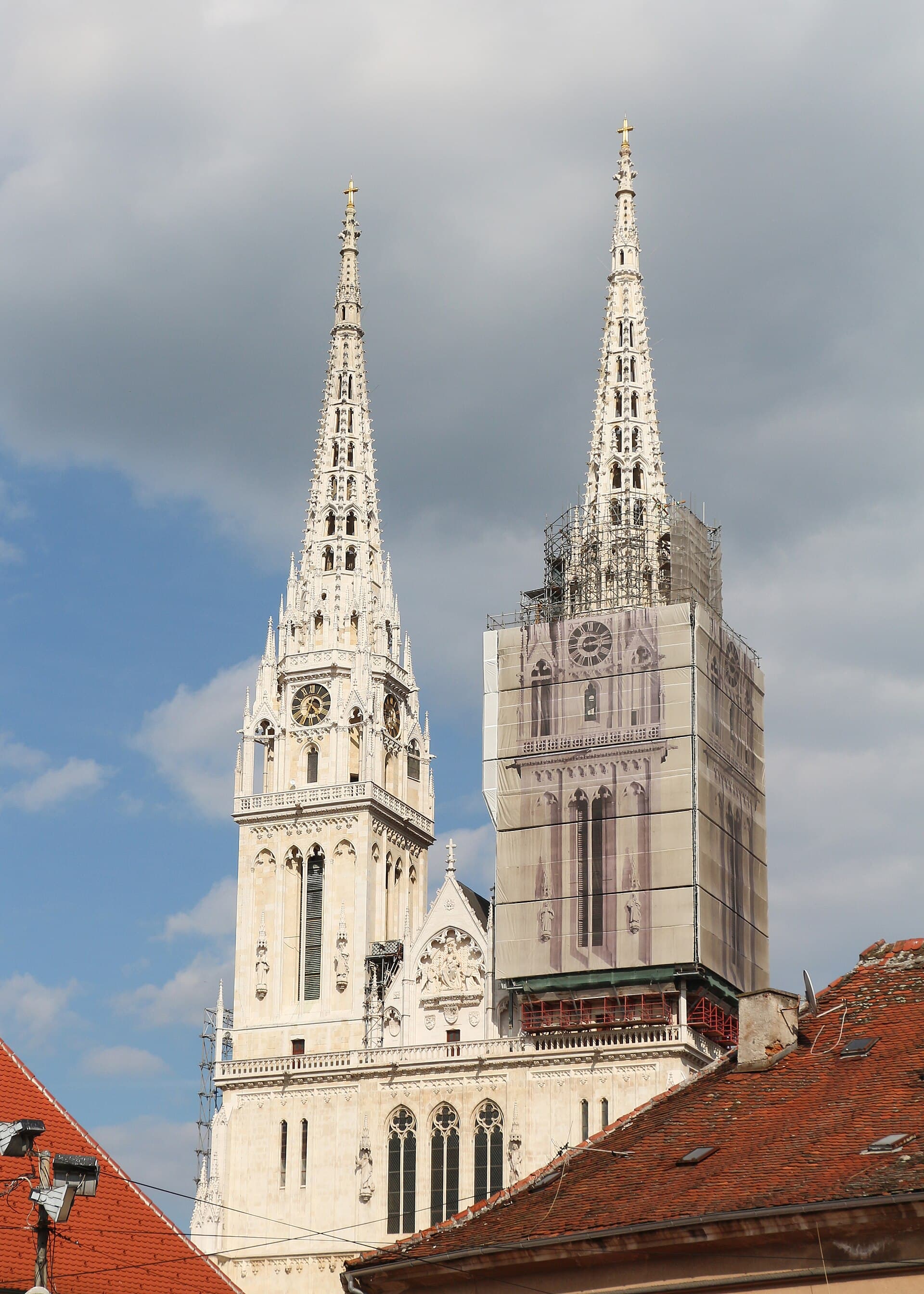
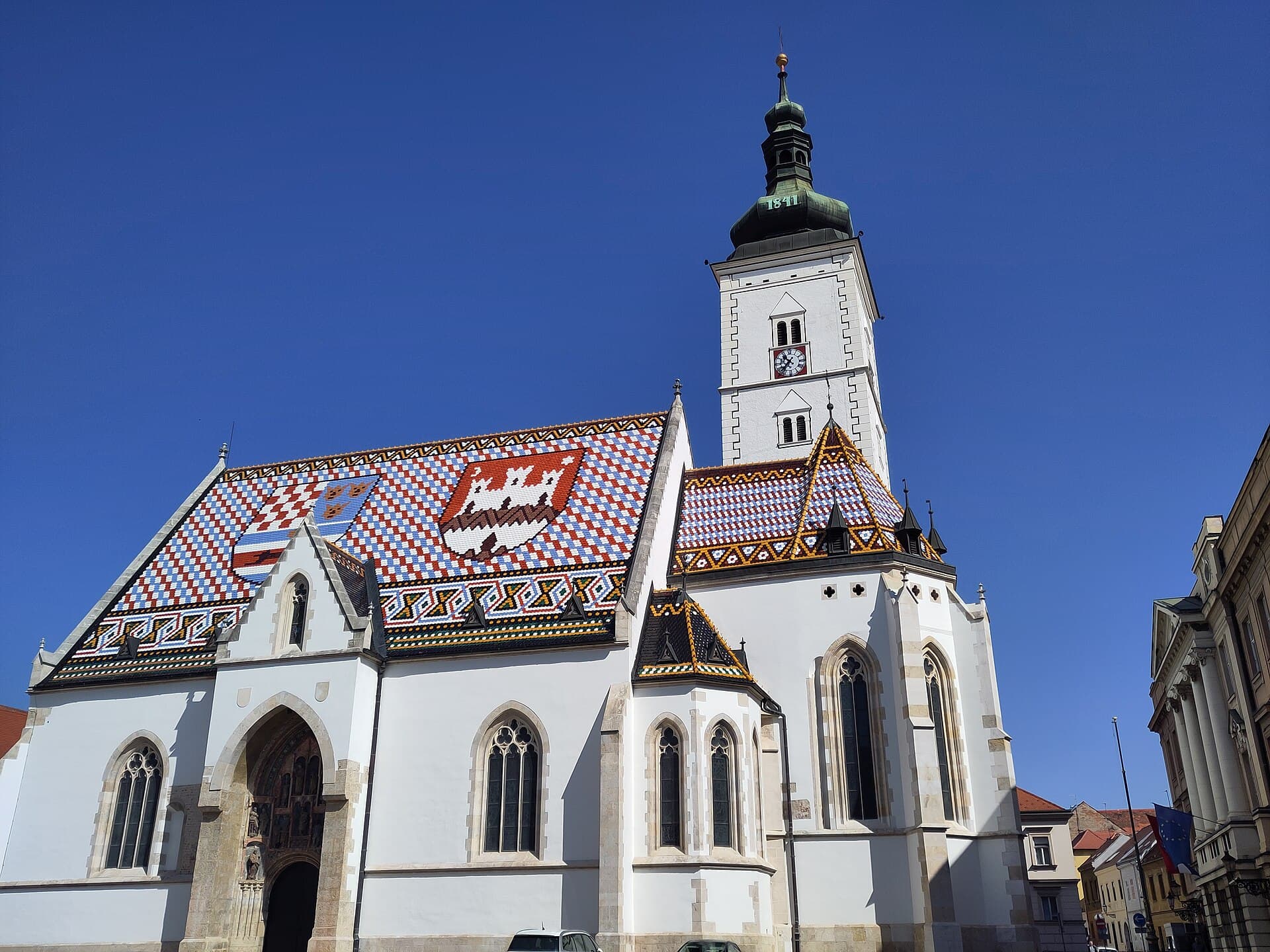
Zagreb, capital and largest city of the country with 800,000 inhabitants, is articulated on two distinct levels whose duality is the very soul of the city. The Upper Town (Gornji grad), historic cradle on the hill, retains its medieval atmosphere with the cathedral (recently restored after the 2020 earthquake), Saint Mark's church and its iconic polychrome roof, the Lotrščak tower (midday cannon that resonates daily) and the Uspinjača funicular (one of the shortest in the world, 66 m). The Lower Town (Donji grad), planned at the end of the nineteenth century according to the Austro-Hungarian U-shaped green model (Lenuci's 'horseshoe'), aligns its great eclectic palaces, its museums (Mimara, Museum of Modern Art, Archaeological Museum) and its neo-baroque national theatre. At the heart of the city, the Dolac Market — the 'belly of Zagreb' — unfolds its red umbrellas daily and remains the locals' meeting point for fruit, vegetables, cheeses and flowers.

The city has cultivated for fifteen years a vibrant contemporary scene: Museum of Broken Relationships (unique concept in the world gathering symbolic objects of romantic breakups), new contemporary art institutions, café-restaurant scene in full effervescence in the Tkalčićeva and Martićeva neighbourhoods. And every winter, from 30 November to 7 January, Advent in Zagreb transforms the capital into one of the most enchanting Christmas markets in Europe — voted three consecutive years (2016, 2017, 2018) best Christmas market on the continent.

Beyond the capital, Continental Croatia is a vast and varied territory. Samobor, 25 km west, is a charming small baroque town renowned for its cremschnitte (cream millefeuilles) and its hiking trails to the Žumberak natural park. The Risnjak National Park, further west in the mountainous region of Gorski Kotar, protects primary beech and fir forests inhabited by brown bears and lynx — one of the most preserved wildernesses in Central Europe. To the north, the castles of Croatian Zagorje (Trakošćan, Veliki Tabor) deploy a romantic atmosphere in undulating countryside. To the east finally, Slavonia — vast plain between the Drava and Sava — is the country's agricultural granary, with its traditional villages (Đakovo, Slavonski Brod), its Pannonian cuisine (paprika, čvarci, kulen), and the baroque city of Osijek.

Explore Zagreb region

Spots in the region
Situation

Où se situe Zagreb region ?

Ouvrir la carte en grand sur OpenStreetMap →

Frequently asked questions

How many days do you need to visit Zagreb and Continental Croatia?+
Plan for at least 3 nights in Zagreb for a serious discovery: 1 day for the Upper Town (Gornji grad, cathedral, Saint Mark's, Lotrščak tower, Museum of Broken Relationships), 1 day for the Lower Town (Mimara museum, Dolac market, Ban Jelačić square, National Theatre), 1 day for the urban parks (Maksimir) and Mount Medvednica. With 5-7 days, add 1 night in Samobor (baroque town + Žumberak hiking), 1 night in Trakošćan or Varaždin (Croatian Zagorje), and ideally 1-2 nights in Risnjak or in Slavonia. For those combining with the coast: plan 2-3 nights in Zagreb before driving down the A1 to Plitvice and Zadar.
When does Advent in Zagreb take place and what to see?+
__Advent in Zagreb__ takes place from __30 November to 7 January__ approximately each year, with intensification between mid-December and Epiphany. Major sites: __Ban Jelačić square__ (giant tree, musical stage), __King Tomislav square__ (ice rink and chalets), __Zrinjevac Park__ (the most beautiful illuminations park, gastronomic market), __Tkalčićeva__ (festive evening entertainment), __Stross__ (illuminated walk along the Upper Town walls). Specialties to try: __fritules__ (round raisin donuts), __strukli__ with apples or chocolate, __kobasice__ (grilled sausages), __kuhano vino__ (mulled wine) and __medenjaci__ (honey cakes). Voted best Christmas market in Europe three consecutive years (2016, 2017, 2018), Advent in Zagreb now rivals Vienna and Strasbourg for atmosphere and gastronomic diversity.
What are the must-see museums in Zagreb?+
Zagreb has more than 50 museums, but some stand out. __Museum of Broken Relationships__ (Gornji grad) — unique concept in the world, displays symbolic objects left by broken relationships with their stories, funny and moving. __Mimara Museum__ — private collection of European art (Raphael, Velazquez, Manet, Degas) bequeathed to the city. __Museum of Contemporary Art (MSU)__ — impressive modernist building, current Croatian and international scene. __Archaeological Museum__ — collections from the Bronze Age to late antiquity, notably the Zagreb veil (the longest known Etruscan manuscript). __Ethnographic Museum__ — traditional Croatian costumes and Oceanic collections. __Nikola Tesla Museum__ (Zagreb Technical Centre) — interactive demonstrations of Tesla's inventions. Plan 2-3h per museum for the essentials.
How to visit Risnjak National Park?+
__Risnjak National Park__ is in Gorski Kotar, 1h30-2h from Zagreb by car (A6 motorway exit to Delnice). The park protects primary beech and fir forests over 64 km², a preserved habitat for __brown bears__, __lynx__ and __wolves__ — one of the last wildernesses in Central Europe. The best period is May to October. The most accessible trail climbs to the summit of __Veliki Risnjak__ (1,528 m, 4-5h round trip from Crni Lug). For experienced hikers, the circular __Leska__ trail (4.2 km, 2h) crosses the park's typical ecosystems. Accommodation: forest ranger houses converted to lodges (Bijela Vodica) or guesthouse in Crni Lug. Information: visitor centre in Crni Lug, park entrance €8 in high season.
What is the Tkalčićeva neighbourhood and why go there?+
__Tkalčićeva__ (officially Tkalčićeva ulica) is the liveliest pedestrian street in Zagreb — a former riverbed transformed in the nineteenth century, which historically separates the two medieval quarters of Kaptol (episcopal) and Gradec (lay). It is today the centre of nightlife and café-terrace life in the capital, lined for 700 m with cafés, restaurants, cocktail bars and alternative shops. The atmosphere is continuously lively from morning (cafés and brunch) to late evening (DJ sets, festive atmosphere). Not to be missed: __Bistro Apetit__ (market cuisine), __Stari Fijaker__ (traditional cuisine in a period setting), __Garden Brewery__ (craft beers), __Lemon__ (cocktails). Avoid staying directly on Tkalčićeva to avoid night noise, but be sure to book your dinners-after dinners here.
Is Slavonia worth visiting?+
__Slavonia__ — vast fertile plain between the Drava and Sava, in the northeast of the country — is one of the least touristy regions of Croatia, which is precisely its interest for travellers seeking authenticity. Three centres are worth the detour: __Osijek__ (capital of Slavonia, magnificent Tvrđa baroque citadel, student life and bars on the Drava), __Đakovo__ (impressive neo-Romanesque cathedral, state stud farm for Lipizzaners), __Vukovar__ (war memory, Vučedol Museum for prehistoric civilisation). Rich Pannonian cuisine: __čvarci__ (pork cracklings), __kulen__ (spicy paprika sausage), __fiš paprikaš__ (paprika fish soup), __švargl__ (head cheese). Plan 3-4 days to explore the region, ideally by car from Zagreb (A3 motorway east). The vineyards of __Ilok__ and __Kutjevo__ produce excellent Graševina and Traminac.
How to link Zagreb to the Adriatic coast?+
Several options depending on your travel style. __Car (the most flexible option)__: A1 motorway to Split (4-5h), with possible stops at Plitvice (2h from Zagreb), Zadar (3h) or Šibenik (3h30). Cumulative toll about €25 for Zagreb-Split. __Train__: Zagreb-Split line (6-7h on the day train, about 8h on the night train with couchette — the most economical option, panoramic view of the Lika mountains). __Bus__: many companies (FlixBus, Croatia Bus) with frequent connections to Split (5-6h), Zadar (3h30), Dubrovnik (10-11h). Economical fares (€15-25). __Plane__: Croatia Airlines operates Zagreb-Split and Zagreb-Dubrovnik (45 min flight, from €60 booking in advance). To combine Zagreb with the coast, the most classic itinerary: 3 nights in Zagreb, drive down the A1 with a stop at Plitvice, then coastal route to Split and Dubrovnik (10-14 days in total).

Our verdict

Zagreb and Continental Croatia are a revelation for travellers who venture off the classic coastal circuit. The capital combines first-rate European urban quality of life with still-reasonable prices, and its hinterland (Risnjak, Zagorje, Slavonia) offers authentic experiences rare in Europe. Plan for at least 2-3 nights in Zagreb, plus 1-2 nights in the hinterland (Samobor or Trakošćan) depending on your duration. The best period is unquestionably May-June or September for hiking, and December for Advent — one of the most memorable winter experiences in Europe.

Mowando Letter

Once a month: the right destinations for the right season + the best booking windows.

No spam. One-click unsubscribe. Your data is never shared.