Mowando

Region

Southern Dalmatia

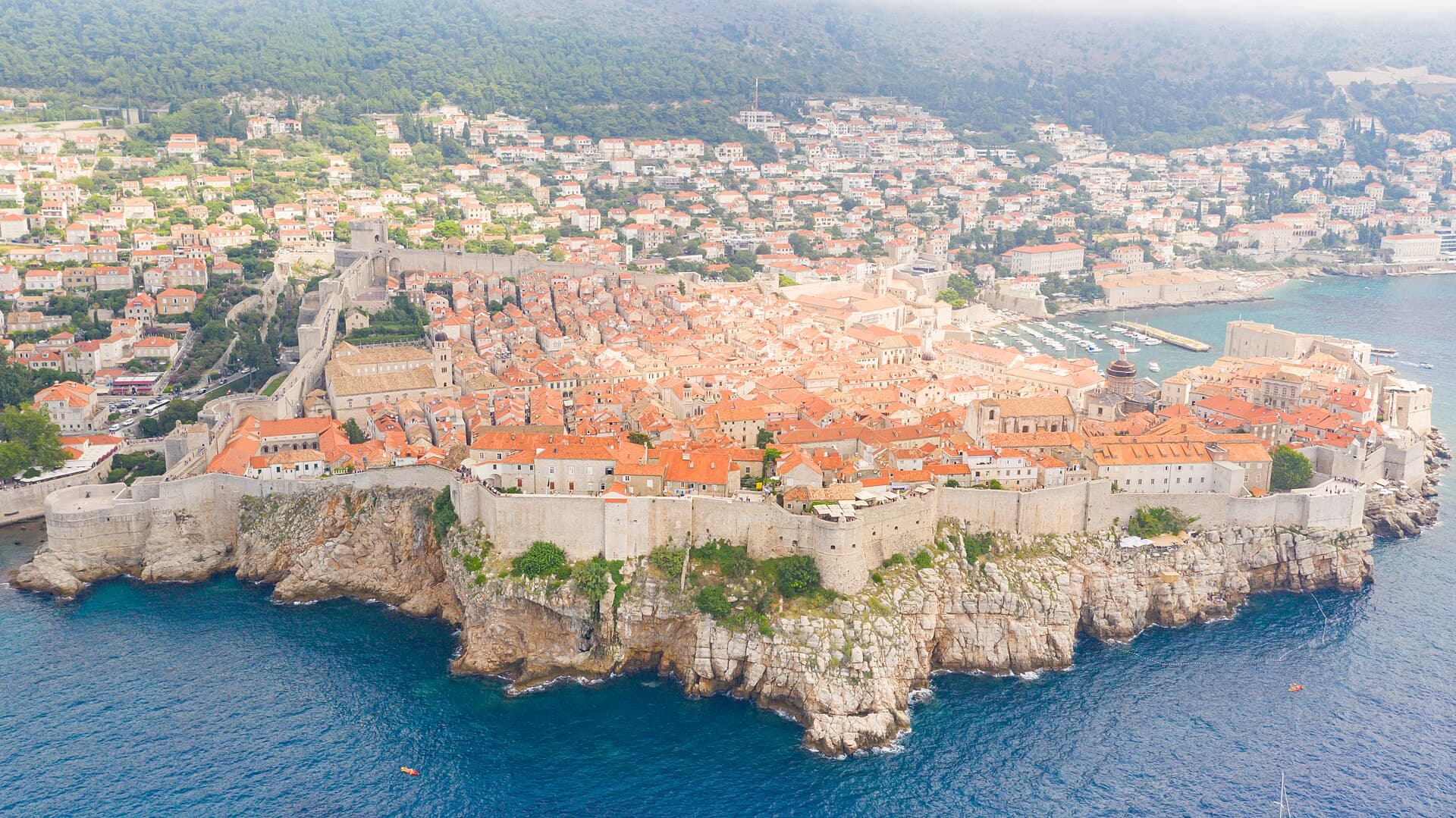
Southern Croatia distils everything that makes the Adriatic magical: a fortified city standing since the thirteenth century, a coastline scattered with secret islands and a wine hinterland where Plavac Mali rivals the best Mediterranean reds.

4.80

Southern Dalmatia is arguably Croatia's most iconic region, the one that pushed the country into the global tourist imagination — first through the raw beauty of Dubrovnik, then through the television series that used its walls as a set. But reducing this region to its medieval capital alone would be a mistake: Southern Dalmatia is an archipelago of experiences, where each island, peninsula and village carries an identity forged by centuries of Republic of Ragusa, Venetian, Ottoman and Habsburg influences.

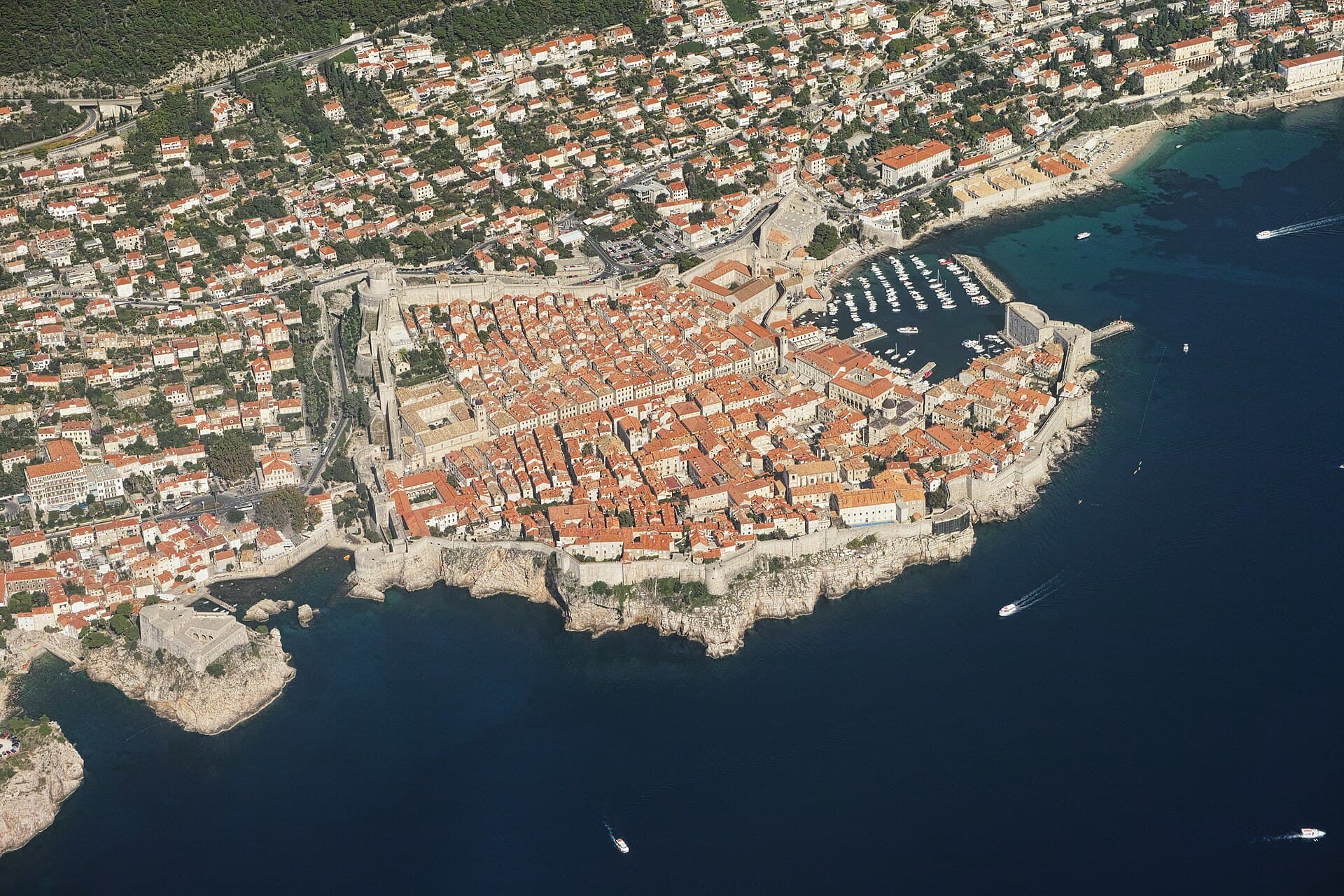
Dubrovnik, the 'Pearl of the Adriatic' as Lord Byron called it, preserves within its white stone walls one of the best-preserved historic centres in Europe. The Rector's Palace, the baroque cathedral, the Franciscan monastery and its medieval pharmacy (one of Europe's oldest still in operation), the Stradun — that thoroughfare polished by centuries of footsteps — compose an architectural theatre of rare coherence. The walls, 1,940 metres long and up to 25 metres high, offer unique views from their parapet walk over the city's orange rooftops and out to Lokrum island.

Beyond Dubrovnik, the region opens toward the Elaphiti Islands (Lopud, Šipan, Koločep), a small car-free archipelago reached in 30-60 minutes by ferry from Dubrovnik's old port. These quiet islands, dotted with Renaissance villas and Romanesque chapels, are the perfect antidote to the tourist frenzy of the mother city. Further west, Mljet — said to be Homer's Calypso — shelters a national park around two salt lakes connected to the sea, and a twelfth-century Benedictine monastery set on a small islet. The Pelješac peninsula, recently linked to the mainland by a new bridge, is the homeland of Plavac Mali, the indigenous grape producing Croatia's best reds at Dingač and Postup. And Korčula, the presumed birthplace of Marco Polo, deploys its fortified old town on a rocky promontory facing the Pelješac coast — a miniature Dubrovnik, more intimate, more authentic.

Explore Southern Dalmatia

Spots in the region
Situation

Où se situe Southern Dalmatia ?

Ouvrir la carte en grand sur OpenStreetMap →

Frequently asked questions

How many days do you need to visit Southern Dalmatia?+
Plan for at least five to seven days for a balanced experience: two nights in Dubrovnik (old town, walls, Lokrum island), one night on the Elaphiti or on Mljet, one night in Korčula and one night in an agrotourism estate on Pelješac with Plavac Mali tasting. With ten days you can add a day trip to Kotor (Montenegro, two hours' drive) and explore the Konavle hinterland south of Dubrovnik more deeply.
How can you avoid the crowds in Dubrovnik?+
The golden rule is to visit __outside July-August__: May, June, September and October offer a perfect climate and a largely manageable crowd. If you do go in summer, plan the walls tour from 8am opening (before the heat and before the cruise ships disgorge passengers around 10am) or late afternoon at 5pm for sunset. Stay within the walls to enjoy the city in the evening once day-trippers have left. Check the cruise ship calendar on the Port of Dubrovnik website: days without ship calls are notably more peaceful.
Which island to choose between Mljet, the Elaphiti and Korčula?+
It depends on your timeframe and travel style. __Mljet__ (national park, two hours by ferry from Dubrovnik) is the wildest and greenest: ideal for one to two nights with hikes around the salt lakes, kayaking and swimming. The __Elaphiti__ (Lopud, Šipan, Koločep, 30-60 minutes from Dubrovnik) are perfect for a day trip or a quiet night without cars. __Korčula__ (three hours by ferry or two hours by road via Pelješac) deserves at least one to two nights for its fortified old town, its wineries and its Balkan-Venetian atmosphere. Ideally: combine Mljet (nature) and Korčula (culture) on the same trip.
What is Plavac Mali and where can you taste it?+
__Plavac Mali__ ('little blue') is the emblematic red grape of Dalmatia, a parent of California Zinfandel and Italian Primitivo according to recent DNA research. Grown on the schist and limestone slopes of the Pelješac peninsula, it produces powerful, tannic and fruity wines with notes of black cherry, dried fig and garrigue. The two finest terroirs are __Dingač__ and __Postup__, protected appellations on the steepest sea-facing slopes. Several family wineries welcome visitors: Saints Hills, Korta Katarina, Matuško and Dingač Wine House. Book ahead in high season.
Is Ston worth visiting and why?+
Yes, __Ston__ is absolutely worth the detour if you are crossing the Pelješac peninsula. This small town is known for two exceptional reasons: its __walls__ (5.5 km, the second longest defensive system in the world after the Great Wall of China) built by the Republic of Ragusa in the fourteenth century to protect the salt pans, and its __oyster farming__ in the Mali Ston bay, ranked among the best European locations for oysters and mussels. Allow two to three hours for Ston: climb the walls (a steady effort but magnificent panorama), have a lunch of fresh oysters in a harbour konoba, and possibly visit the salt pans still in operation since the Middle Ages.
How do you get around Southern Dalmatia?+
A __hire car__ is the most flexible solution for exploring Pelješac, Konavle and the hinterland villages. Allow 1h45 from Dubrovnik to Ston, three hours to Orebić (gateway to Korčula via a 15-minute ferry). __Jadrolinija ferries__ link Dubrovnik to the islands: Lopud (30 min), Šipan (1h), Mljet (2h via fast catamaran). For Korčula, two options: the direct catamaran from Dubrovnik (3h) or the road via Pelješac with the Orebić-Korčula ferry. The long-distance bus network is decent between cities but slow and inconvenient for complex itineraries.
What to see around Dubrovnik on a day trip?+
Several day trips are essential from Dubrovnik. __Kotor (Montenegro)__: two hours by road, one of the most beautiful fjord-like bays in Europe — passport recommended even for EU nationals. __Konavle__: the farming region south of Dubrovnik, vineyards, olive groves and traditional villages (Čilipi for folk dances on Sunday). __Lokrum island__: 15 minutes by boat from the old port, botanical garden and Napoleonic fort, perfect for a half-day. __Trsteno__: Renaissance arboretum 20 minutes away by bus, one of the oldest botanical gardens in the Mediterranean. __Cavtat__: charming coastal town 30 minutes by bus, intimate harbour and the Račić mausoleum by Meštrović.

Our verdict

Southern Dalmatia is the most spectacular entry point into Croatia, provided you choose your timing carefully. Avoid July-August if you can: Dubrovnik in May, June or September offers a radically more beautiful experience, with the same crystalline sea and half the crowds. Dedicate at least five days to the region: two nights in Dubrovnik, one night on Mljet or the Elaphiti, one night in Korčula and ideally one night in a Pelješac agrotourism estate. You will leave with the feeling of having grasped the essence of the Adriatic.

Mowando Letter

Once a month: the right destinations for the right season + the best booking windows.

No spam. One-click unsubscribe. Your data is never shared.