
Expert on Vietnam · 1 contributions
 South-East Asia Desk — Mowando·Editor
The best periods
The best time to visit Vietnam is November to April (north) and February to August (south).
Saison sèche au Nord — haute saison touristique
- ✅Temps idéal pour le nord et le centre : ciel dégagé, températures fraîches à Hanoï (15-25 °C en hiver), humidité modérée
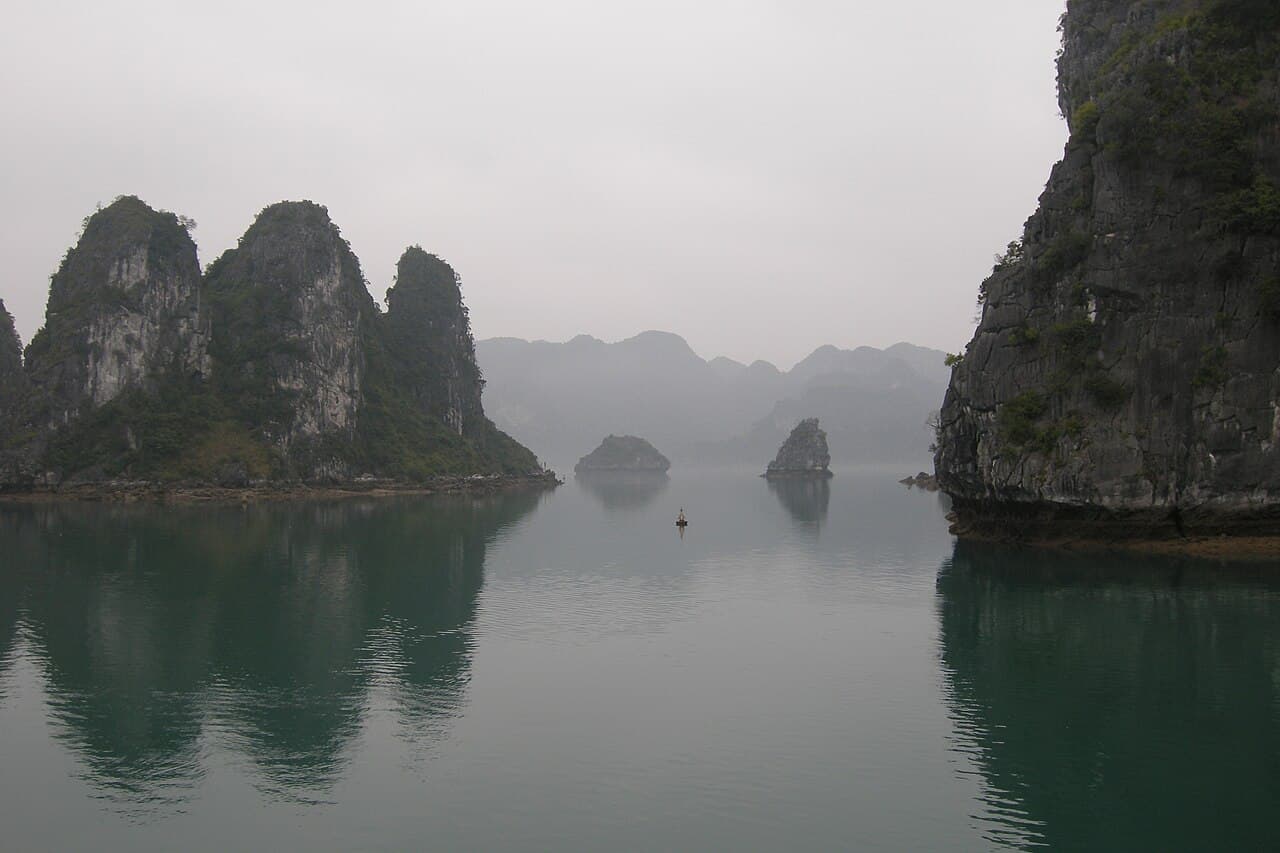
- ✅Conditions parfaites pour la Baie d'Halong et Hoi An — mer calme, visibilité maximale
- ✅Rizières de Sapa sublimes en terrasses dorées à la récolte (septembre-octobre) ou en verdure (mai-juin)
- ❌Haute saison : affluence maximale sur les sites touristiques (Halong, Hoi An, Hô Chi Minh-Ville) et prix en hausse
- ❌Hanoï peut être fraîche et brumeuse en décembre-janvier : prévoyez une couche supplémentaire
- ❌Hébergements à réserver plusieurs semaines à l'avance pour les croisières Halong et Hoi An en décembre-janvier
Saison des pluies au Nord — mousson
- ✅Tarifs hébergements et vols nettement inférieurs, beaucoup moins de foule sur les circuits classiques
- ✅Rizières en terrasses d'un vert électrique à Sapa et Mù Cang Chải — photographie extraordinaire
- ✅Sud-Vietnam (Hô Chi Minh-Ville, delta du Mékong) reste praticable avec des pluies souvent brèves en après-midi
- ❌Pluies intenses et typhons possibles sur la côte centrale (Hoi An, Đà Nẵng) de septembre à décembre
- ❌Croisières Baie d'Halong parfois annulées en cas de typhon ou de météo défavorable
- ❌Risques d'inondations à Hoi An en octobre-novembre — la ville peut être partiellement submergée
Saison sèche au Sud — idéale pour le delta et les plages
- ✅Meilleure période pour le sud : Hô Chi Minh-Ville, delta du Mékong, Phu Quoc et côte de Mui Ne
- ✅Températures chaudes et stables (28-34 °C), plages accessibles, mer calme sur la côte sud
- ✅Phu Quoc et ses plages de sable blanc au meilleur de leur forme de novembre à avril
- ❌Chaleur et humidité élevées toute l'année au sud : températures nocturnes rarement inférieures à 24 °C
- ❌Saison des pluies au sud (mai à octobre) : averses quotidiennes intenses mais courtes, rarement rédhibitoires pour voyager
Climate by destination
The climate varies sharply from one region to another. See the month-by-month detail — temperatures, sea, crowds and flight prices — on each destination's 'when to go' page.
Frequently asked questions
Do French, British or American travellers need a visa for Vietnam?+
Is it safe to rent a motorbike or bicycle in Vietnam?+
Is the tap water safe to drink in Vietnam? What about street food?+
Ha Long Bay or Bai Tu Long Bay — which should I choose?+
What is a realistic daily budget for Vietnam?+
Our verdict
Vietnam is one of the most complete and accessible destinations in Southeast Asia. It pulls off the remarkable feat of combining an exceptionally rich historical and cultural heritage, a street food scene elevated to world art, and natural landscapes of breathtaking beauty — all for a budget that is derisory compared with European standards. The ideal destination for a first major trip to Asia, provided you plan the north-south itinerary carefully around the season, and venture beyond the classic circuits to explore the caves of Phong Nha, the ethnic minority villages of the northwest or the waterways of the Mekong Delta.
Réserver votre séjour
Liens partenaires — une commission peut nous être reversée, sans surcoût pour vous.
 HébergementAnnulation gratuite
Hôtels & guesthouses au Vietnam
Du boutique-hôtel colonial à Hanoï aux beach resorts de Phu Quoc, comparez tout le Vietnam au meilleur prix.
ActivitéSans queueExcursions au Vietnam
Croisière Halong, cours de cuisine à Hoi An, tunnels de Cu Chi, delta du Mékong — sans démarches.
VolComparateurVols vers le Vietnam
Paris-Hanoï et Paris-Ho Chi Minh comparés, plus les vols domestiques VietJet et Vietnam Airlines à petit prix.