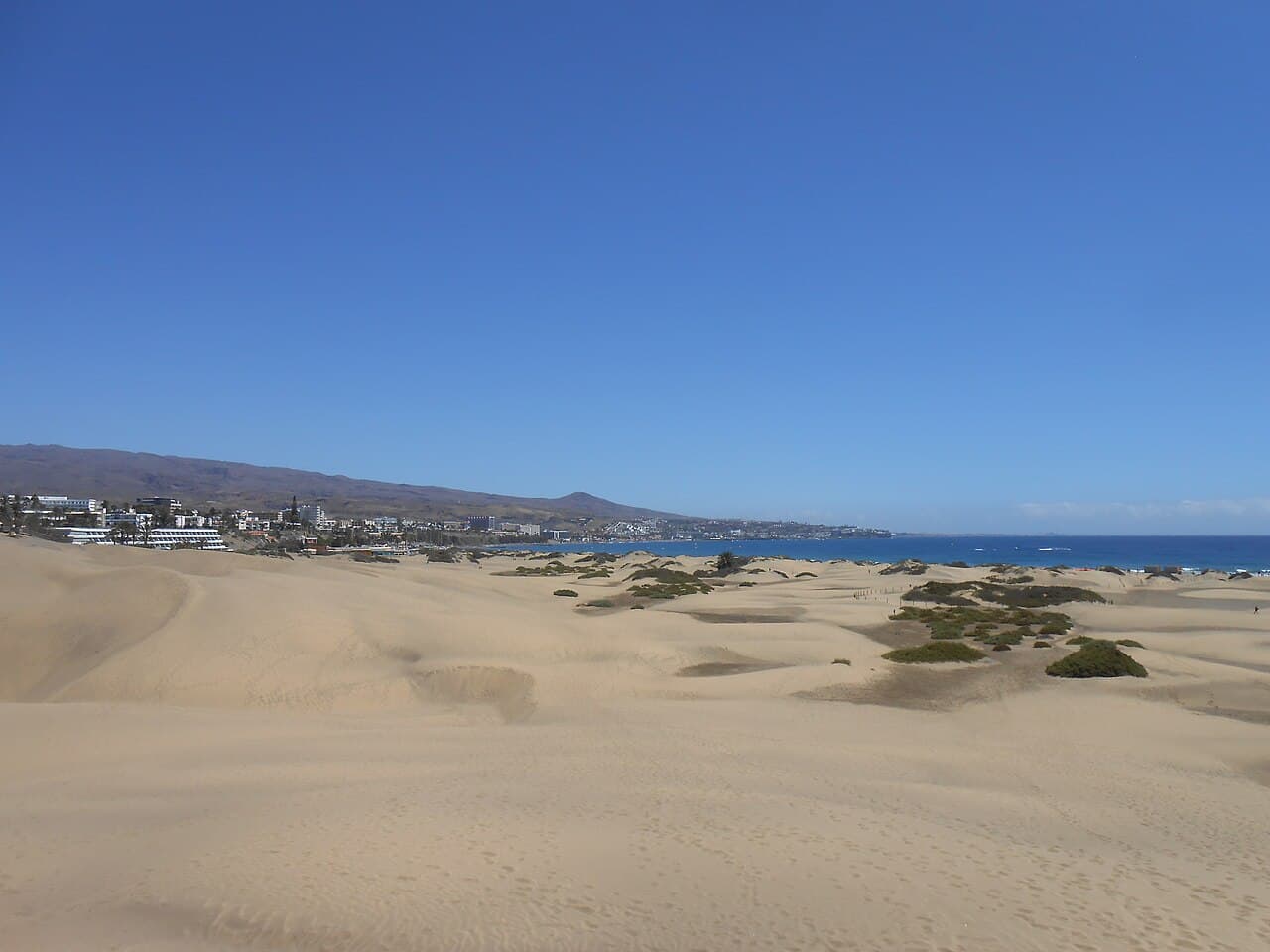
The Canary Islands defy expectations. You arrive anticipating a mass-market beach destination and discover seven volcanic islands of extraordinary ecological and geological diversity, where the highest volcano in Spain, UNESCO-listed primeval forests, Saharan-scale sand dunes and some of Europe's most protected night skies somehow coexist.
The archipelago divides naturally into two groups. The eastern islands — Gran Canaria, Lanzarote, Fuerteventura — are drier, closer to Morocco and more heavily developed for tourism. The western islands — Tenerife, La Palma, La Gomera, El Hierro — are greener, more mountainous and offer more authentic experiences. The choice between them depends on what you're after: beaches and water sports on one hand, hiking and raw landscapes on the other.
Read also
- Tenerife, Island of the Teide — Teide National Park, Anaga forests, whale watching and the village of Masca.
- Spain — Complete guide: visa, budget, regions to explore and best time to visit.
- Balearic Islands — Mallorca, Menorca, Ibiza and Formentera — Spain's other Mediterranean archipelago.