The Teide ascent is the archipelago's signature experience. Accessible by cable car from El Portillo (2,356 m) to 3,555 m, a special permit (free, booked online weeks in advance) is required to reach the crater at 3,718 m. Hiking from the national park's mountain refuges is a more committed but magnificent alternative. Spending the night before the summit attempt at Refugio Altavista rewards hikers with a sunrise above the clouds of unforgettable beauty.
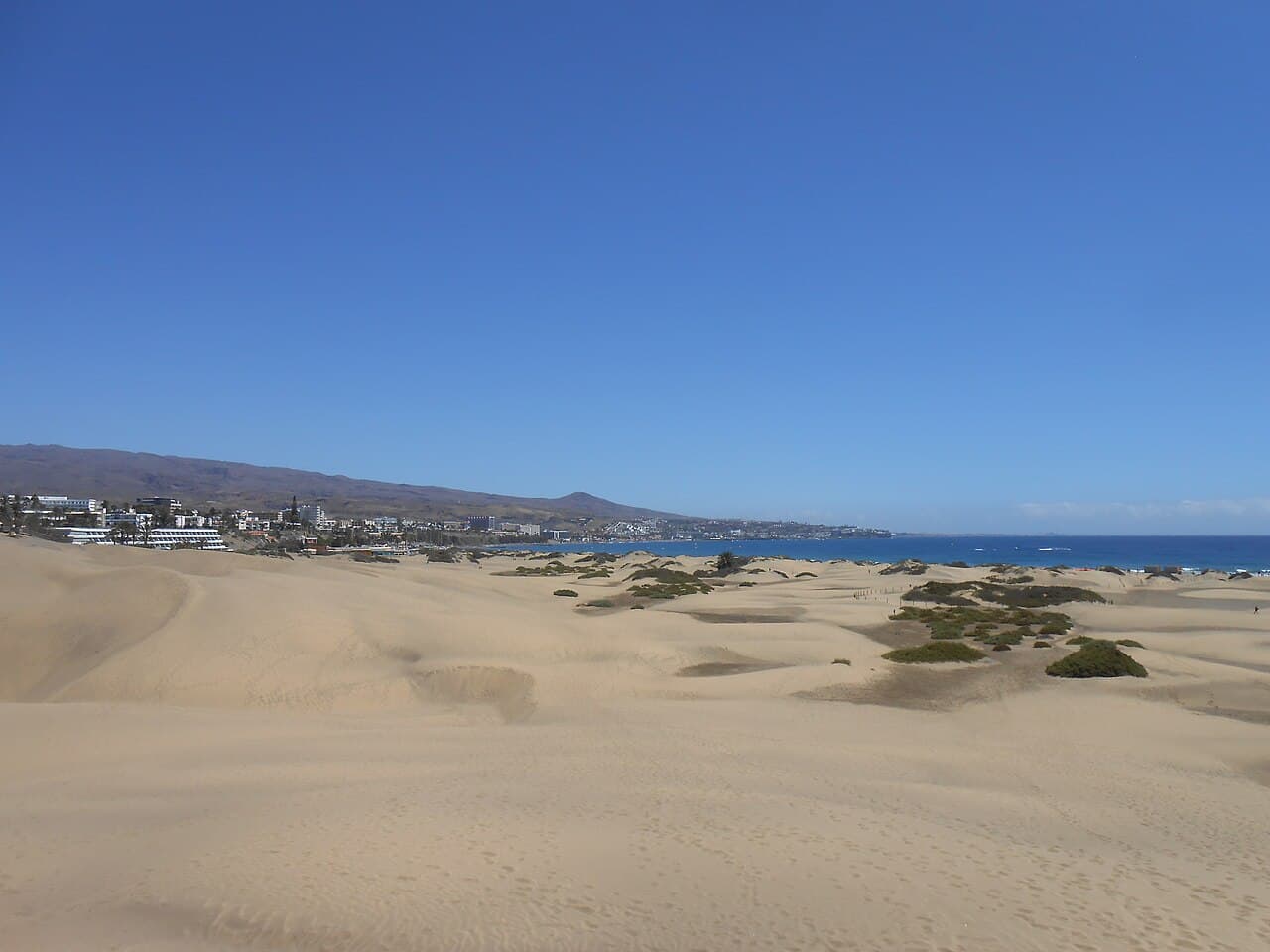
The Maspalomas dunes (Gran Canaria) form a 4 km² protected dune ecosystem dropping directly into the Atlantic — one of Europe's most spectacular beaches. The adjacent nature reserve shelters a freshwater lagoon that serves as a waypoint for African migratory birds.
Lanzarote unfolds like an open-air museum. Timanfaya National Park impresses with natural geysers and geothermal restaurants. The Geria vineyards — vines planted in black volcanic craters to shelter from the wind, a technique unique in the world — produce a volcanic Malvasia that is mineral and haunting. The work of artist César Manrique, who shaped the island's entire architectural identity (Jameos del Agua, Mirador del Río, the César Manrique Foundation), constitutes a major cultural itinerary.
Cetacean watching in the strait between Tenerife and La Gomera is among the world's finest: resident pods of common dolphins, bottlenose dolphins and sperm whales inhabit these waters year-round. Boat trips from Los Cristianos offer near-guaranteed sightings at close range.
Read also
- Tenerife, Island of the Teide — Teide National Park, Anaga forests, whale watching and the village of Masca.
- Spain — Complete guide: visa, budget, regions to explore and best time to visit.
- Balearic Islands — Mallorca, Menorca, Ibiza and Formentera — Spain's other Mediterranean archipelago.