Region
The Yucatán Peninsula
Where Maya civilization meets the Caribbean Sea, between the majesty of Chichén Itzá and the stillness of the cenotes.
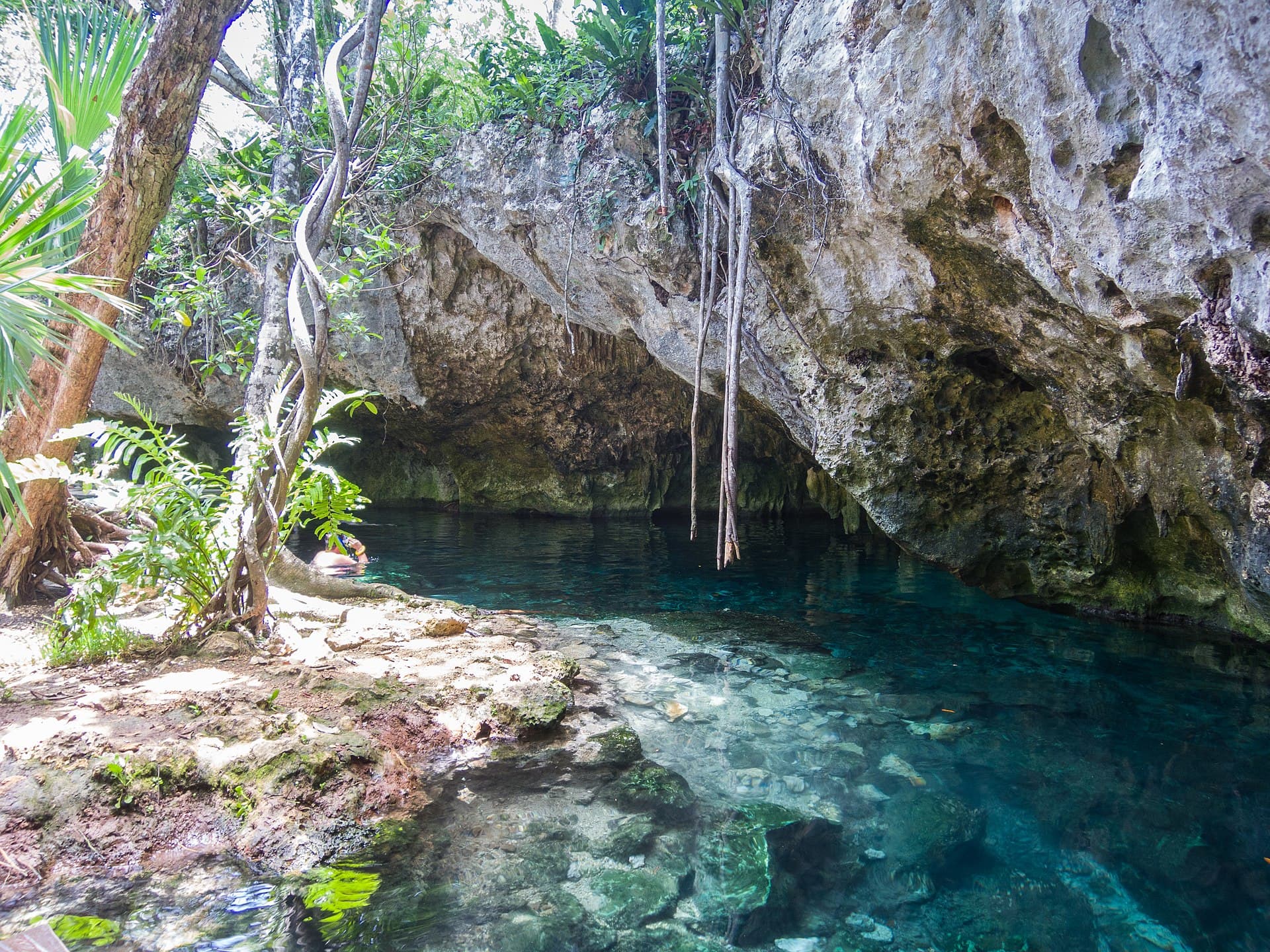
The Yucatán Peninsula packs an outsized share of Mexico's draw into a single, manageable geography. Heartland of the Maya world, it holds some of the most astonishing archaeological sites in the Americas — Chichén Itzá, one of the New Seven Wonders of the World, alongside Uxmal, Cobá and Ek Balam — while its Caribbean coast strings together white-sand beaches, the second-largest coral reef on the planet, and the cenotes: natural sinkholes of impossibly turquoise water that puncture the limestone bedrock for thousands of kilometers underground.
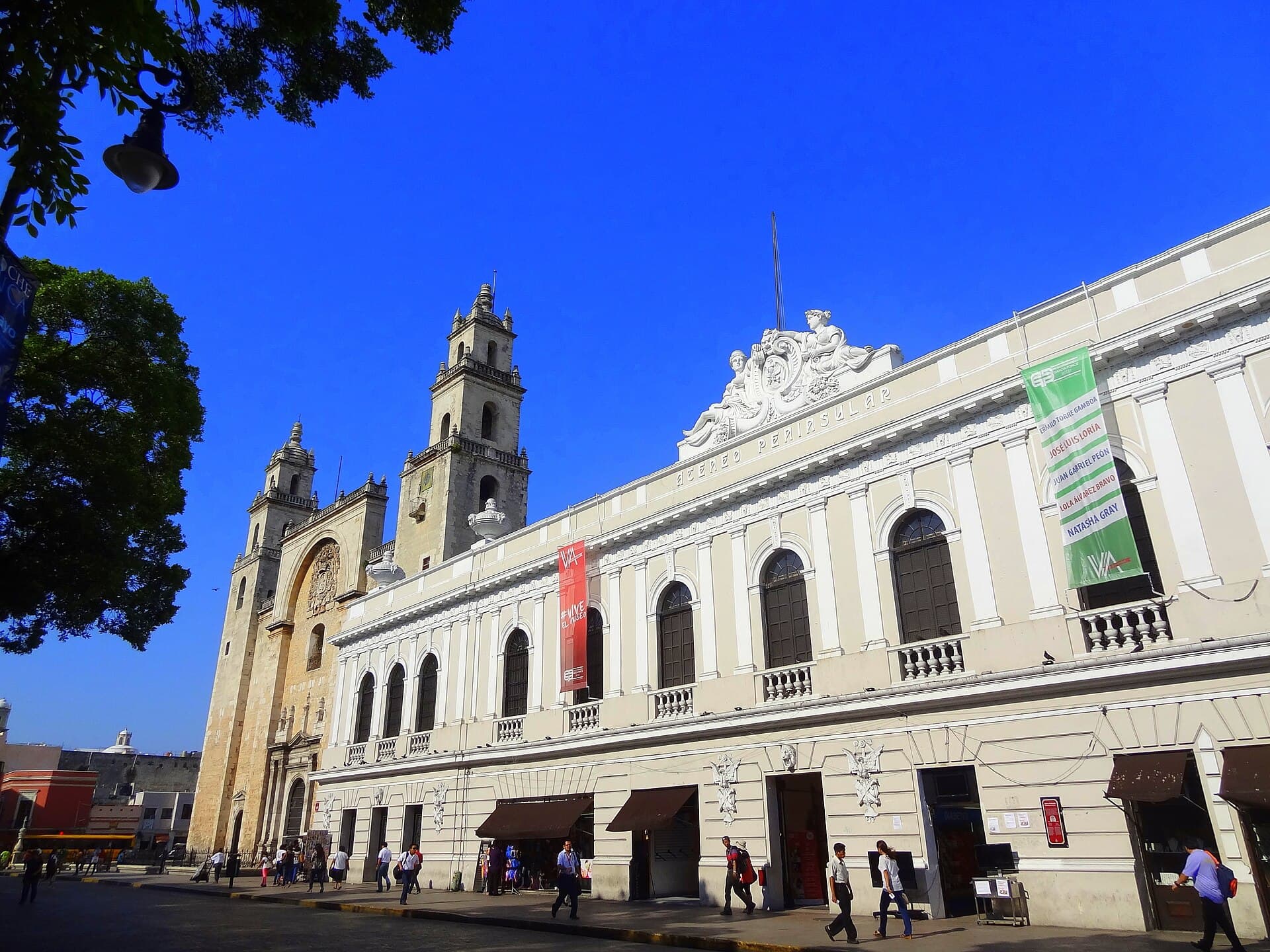
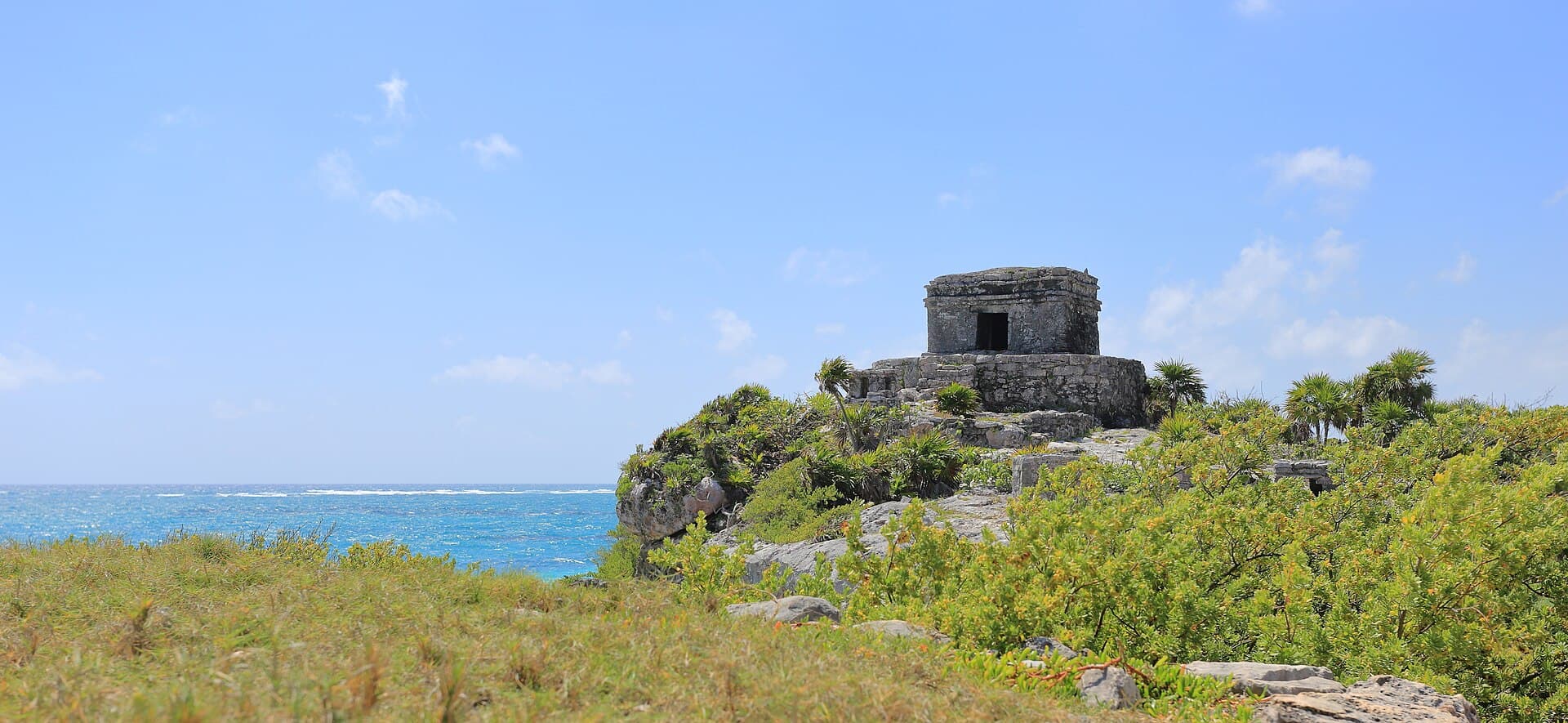
The peninsula is also home to Mérida, the colonial 'white city', cultural and gastronomic capital of the Yucatán; to Tulum, the cliffside Maya site turned global trend destination; and, between them, to a depth of jungle, living Maya villages and protected biospheres that most travelers never quite reach. The Sian Ka'an Biosphere Reserve, UNESCO-listed, stretches south of Tulum across mangroves, lagoons and tropical forest. The Mesoamerican Barrier Reef — the world's second longest — runs the length of the Caribbean coast and supports world-class snorkeling and diving from Cozumel down to Banco Chinchorro.
For most international travelers, the Yucatán is the easiest way to experience Mexico's full range in one trip: a colonial city, a Maya site, a cenote and a Caribbean beach can all fit in a single day's loop from Valladolid. Flying into Cancún (CUN) puts you within a couple of hours of Tulum, Mérida and the archaeological heartland. The infrastructure is solid without being suffocating, the safety profile is among the strongest in the country, and the food — cochinita pibil, sopa de lima, papadzules — is sharply different from anywhere else in Mexico.
Spots in the region
Situation
Où se situe The Yucatán Peninsula ?
Ouvrir la carte en grand sur OpenStreetMap →Frequently asked questions
How many days do I need for the Yucatán?+
When is the best time to visit the Yucatán?+
How do I get around the Yucatán?+
Are the cenotes dangerous?+
Mérida or Cancún as a base in the Yucatán?+
Do I need to book Chichén Itzá in advance?+
Is the Yucatán safe?+
Our verdict
The Yucatán is the Mexican region with the best diversity-to-accessibility ratio for a North American or European traveler. In one to two weeks you can swing from a colonial hotel in Mérida to a sunrise on the pyramids of Chichén Itzá, from a cenote at 8 a.m. to a Tulum beach at sunset, with very little wasted transit time in between. The region carries a strong tourism infrastructure without having lost its soul — provided you avoid peak hours at the marquee sites and step outside the Cancún–Tulum corridor for at least a few days. Mérida is the linchpin: safer than almost any other Mexican city, walkable, drenched in colonial architecture and rooted in a Yucatec Maya culture that is alive rather than performed. Pair it with Tulum or Valladolid for the cenotes and the coast, give yourself a full day at Uxmal (often more rewarding than Chichén Itzá these days), and book the more popular sites in advance during winter. The Yucatán Peninsula rewards travelers who treat it as a region rather than a beach add-on — and who are willing to be up at dawn at least twice during the trip.