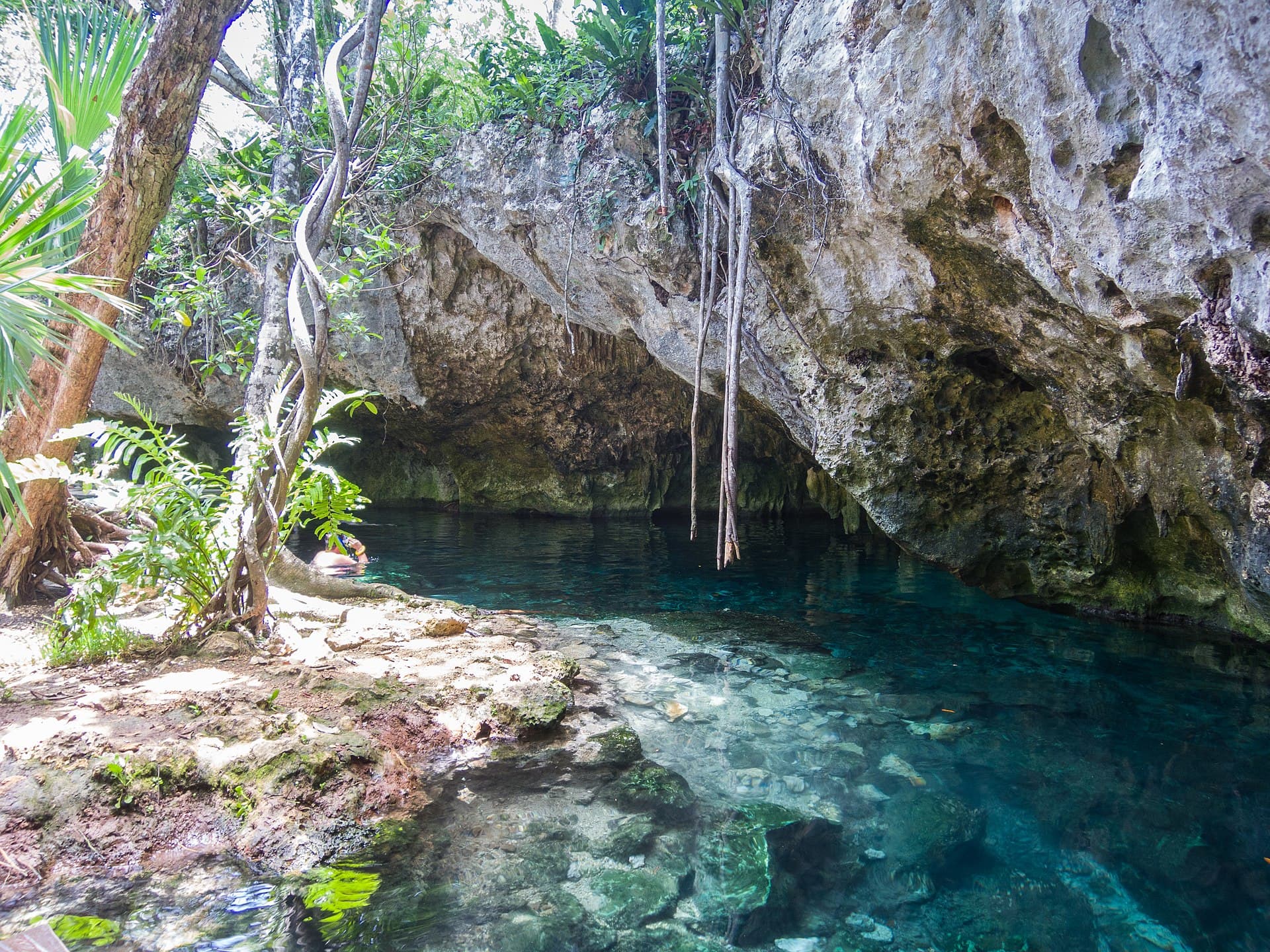
The Yucatán runs on two clearly defined seasons that shape every traveler's calendar. The dry season, November to April, is the obvious window for most international visitors. Temperatures range from 20 to 32°C depending on the month, with crisp nights (17–20°C) in December and January — perfect for archaeological visits. The Caribbean Sea is calm, underwater visibility is excellent, and the cenotes are safely accessible.
November is an underrated month: the rainy season is fading, the jungle is at peak green, the international crowds haven't yet arrived, and prices remain reasonable before the holiday surge. Día de los Muertos (November 1–2) is an intense, beautiful period in Mérida and the surrounding Maya villages — the cemetery ceremonies in Pomuch or the Hanal Pixán observances in the smaller towns are among the most powerful cultural experiences a traveler can have in the Yucatán.
December through March is high season proper: weather is close to perfect, but Tulum and Chichén Itzá are mobbed. December and January see European holidaymakers overlap with North American snowbirds and saturate the headline sites. February and March can be slightly quieter while still offering excellent weather. April marks the end of the dry season — daytime heat climbs into the 33–36°C range, and Semana Santa brings a wave of Mexican domestic tourism to the coast, something to factor in when booking.
The rainy season starts to show itself in May with daily afternoon storms that rarely ruin the morning. From June to August, rains become more regular but typically remain brief and intense — a day can swing between sun and tropical downpour. The bigger climate factor is hurricane season (August to October): direct hits on the peninsula are rare and unpredictable, but tropical storms can seriously disrupt coastal activities. November sits in an improving gray zone.
Our take: November, early December (before the holidays) and February are the sweet spots — favorable weather, manageable crowds. For the cenotes and archaeological sites, an early morning start (before 9 a.m.) remains the golden rule regardless of season.
Read also
- Tulum, the Maya city by the sea — Cliffside ruins, legendary cenotes and Caribbean beaches.
- Mérida, the colonial capital of the Yucatán — Baroque architecture, regional cuisine and the perfect base for exploring the peninsula.
- Mexico travel guide — Everything you need to know before you go: visa, budget, safety and best regions.