The Yucatán lends itself to a remarkable range of itineraries depending on how much time you have and what you're chasing. Its relatively flat geography and decent road network make moving around easy, and most major sites sit within a one- to two-hour drive of either Mérida or Tulum.
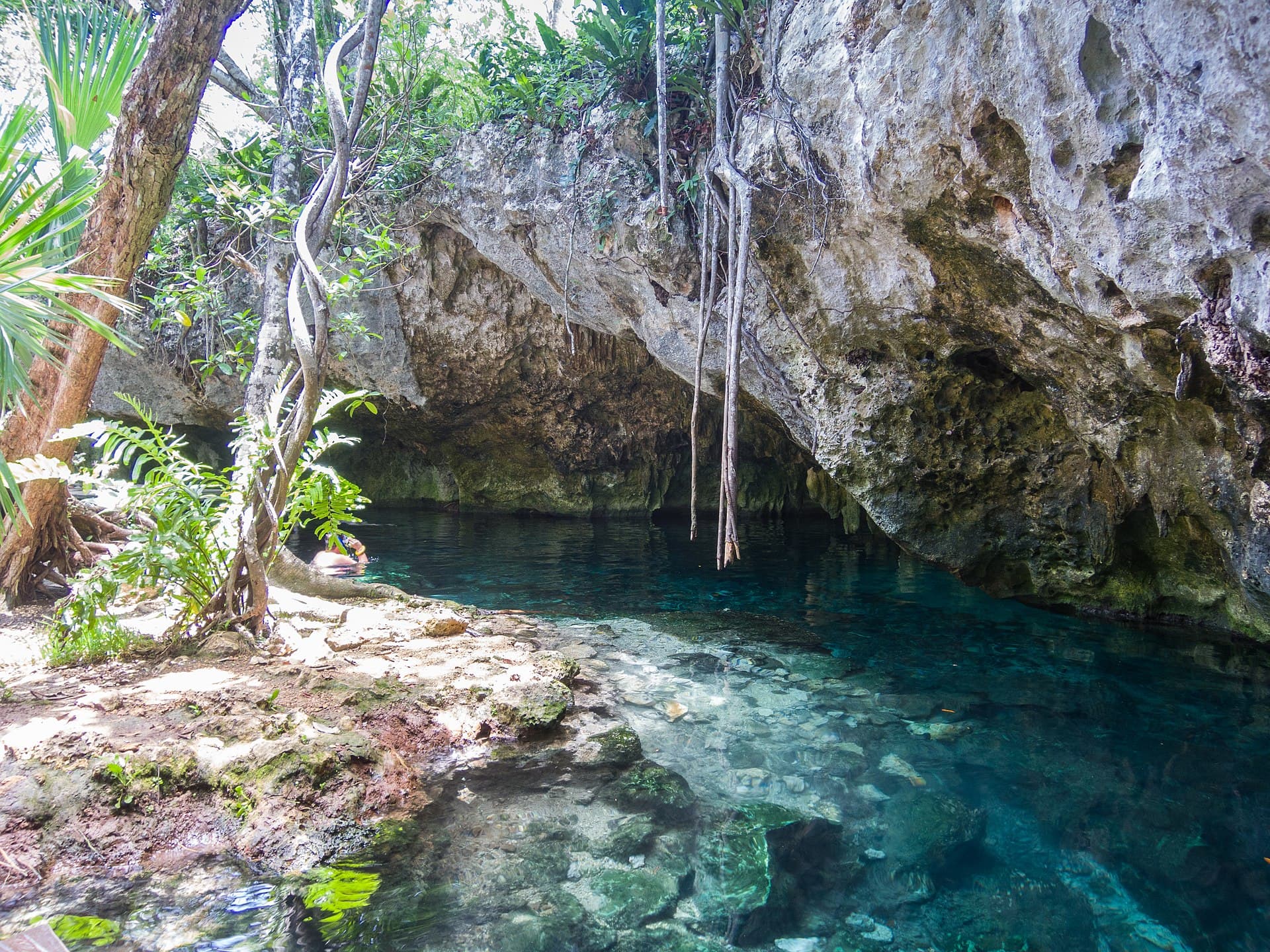
For a long weekend (4–5 days), you'll have to pick a single base. From Mérida, two days cover the city, a day at Chichén Itzá (1h30 by bus) and another at Uxmal and the Puuc Route cenotes. From Tulum, four days let you explore the archaeological zone, dive several cenotes (Grand Cenote, Dos Ojos, Calavera), drive up to Cobá to climb the pyramid (where still permitted) and enjoy the coast.
For one week (7 days), the classic itinerary connects Mérida and Tulum via the 'Maya triangle': two nights in Mérida for the city and Uxmal, a stop in Valladolid (a charming colonial town with the Zaci cenote downtown), a full day for Chichén Itzá, then south to Tulum for two nights — cenotes in the morning, beach in the afternoon, ruins at sunset.
With 10 to 15 days, the itinerary opens up considerably. From Mérida, you can drive the Franciscan convent route, explore the north coast (Progreso, Celestún and its pink flamingos), then move east to Valladolid, Ek Balam (a climbable pyramid that's much less crowded than Cobá) and the Caribbean coast. A detour through the Sian Ka'an Biosphere Reserve (UNESCO), reachable from Tulum, opens up nearly untouched mangrove lagoons and tropical jungle. This full circuit gives a panoramic view of the Yucatán that goes well beyond the standard tourist track.
For travelers serious about diving and snorkeling, a dedicated itinerary makes sense: from Cancún, a quick ferry or flight to Cozumel (20 min by ferry from Playa del Carmen) opens up Cozumel National Park, one of the most acclaimed dive sites in the world with 30–40 m visibility and coral walls patrolled by rays, nurse sharks and sea turtles. Three nights on the island allow two or three dives (with or without certification) and time in the coastal villages. This segment fits cleanly into a 10-day loop: Mérida (2 nights), Chichén Itzá + Valladolid (2 nights), Tulum (2 nights), Cozumel (3 nights).
The choice of base often divides travelers. Mérida wins for those who prioritize cultural authenticity and access to the inland sites: Uxmal, the Puuc Route, Celestún with its flamingos, the yellow-painted village of Izamal. Tulum makes more sense for those combining cenotes and beach, with quick access to the Grand Cenote, Dos Ojos and Sian Ka'an. Cancún, less interesting culturally, still serves as a logistical hub: it's where most direct flights from Europe and the US land, and shuttle services from the airport cover the entire peninsula.
One final itinerary worth flagging for travelers with more than two weeks: the grand loop of the peninsula, starting from Cancún and circling through Tulum, the Sian Ka'an Biosphere, Bacalar (the seven-color lagoon, three hours south of Tulum), then north via Chetumal toward Campeche — the colonial walled city on the Gulf, almost entirely overlooked by standard itineraries — and finally Mérida before the return flight. This 12- to 16-day route is uncommon and rewards travelers willing to drive their own car or accept some longer ADO bus rides; it shows a quieter side of the Yucatán while still hitting the headline sites.
Read also
- Tulum, the Maya city by the sea — Cliffside ruins, legendary cenotes and Caribbean beaches.
- Mérida, the colonial capital of the Yucatán — Baroque architecture, regional cuisine and the perfect base for exploring the peninsula.
- Mexico travel guide — Everything you need to know before you go: visa, budget, safety and best regions.