Mowando

Region

Aqaba and Red Sea

Jordan's only maritime access: 27 km of coastline on the Gulf of Aqaba, one of the __best diving destinations in the Middle East__, credible and more authentic alternative to Egyptian Sharm el-Sheikh — preserved coral reefs, spectacular wrecks and relaxed atmosphere of a still human-scale resort.

4.60

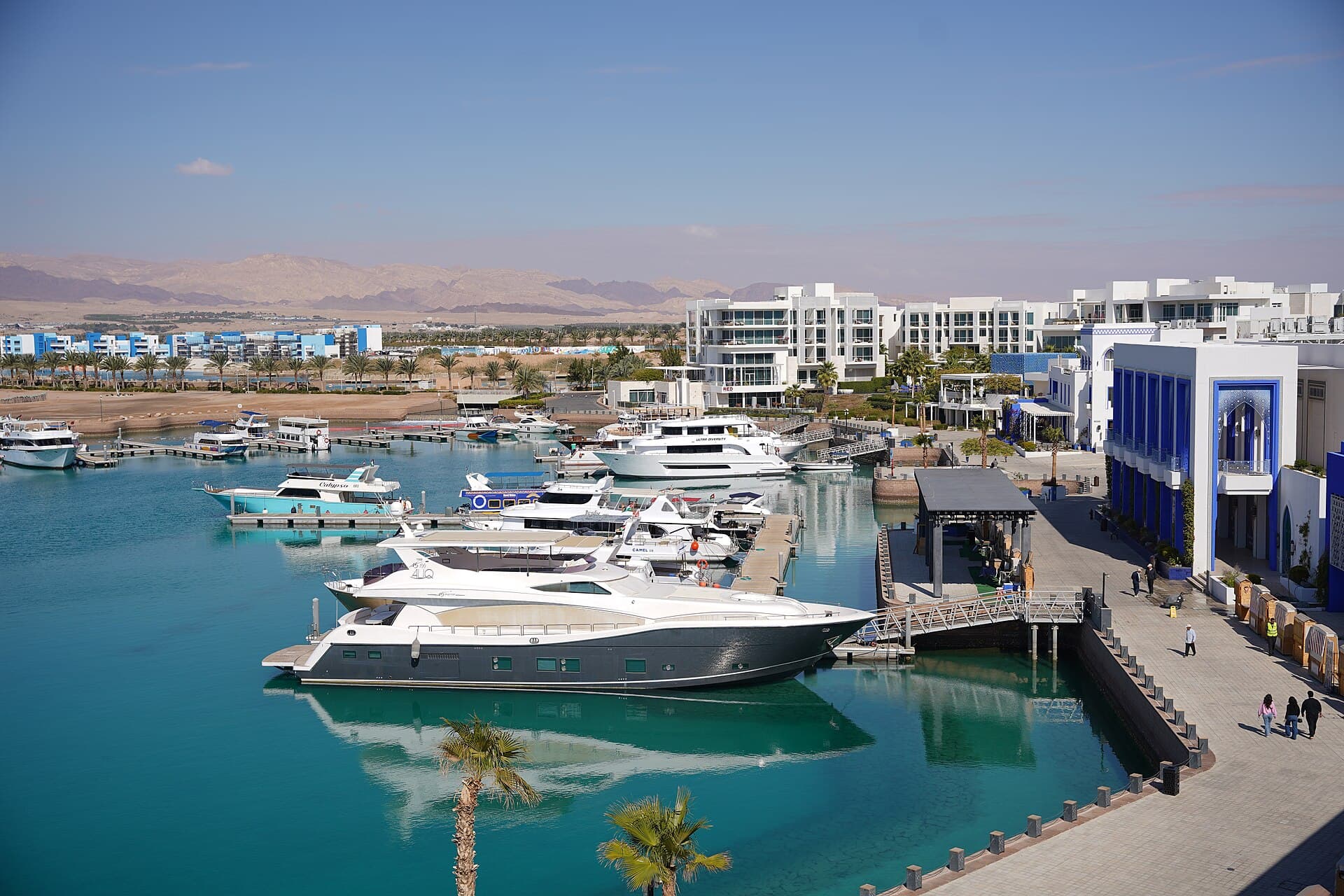
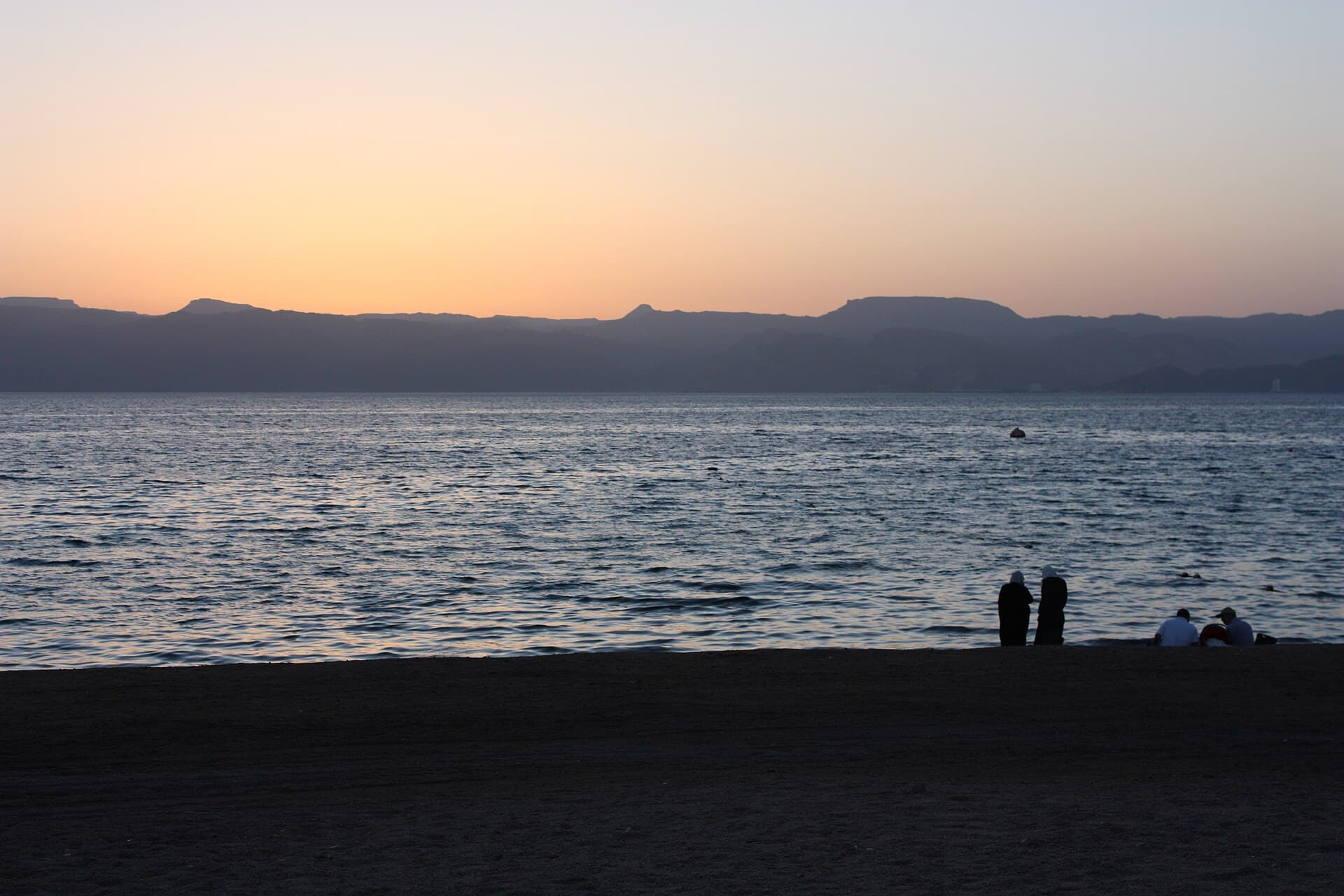
Aqaba and the Jordanian Red Sea constitute the only maritime access of the Hashemite Kingdom — 27 km of coastline on the Gulf of Aqaba, the northeast branch of the Red Sea, wedged between Egypt (Sinai to the west), Israel (Eilat just 4 km north of Aqaba), Saudi Arabia (to the south) and Jordan. This unique geographical position makes Aqaba a strategic convergence point — economic (free zone since 2001, major commercial port), tourist (gateway to southern Jordan from AQJ airport), and geopolitical (sensitive border with Israel, reinforced controls).

The city of Aqaba (200,000 inhabitants) is the southernmost in Jordan, and the only true beach resort in the country. Founded in Edomite then Nabataean times, conquered successively by Romans, Byzantines and Arabs, it has known a turbulent history — notably, it was the scene in 1917 of the capture of Aqaba by Arab forces commanded by Lawrence of Arabia and Faisal I (episode immortalised in David Lean's film). The modern city has developed since the 1960s around the commercial port and, since the 1990s, around an expanding tourist hub: international airport (King Hussein International Airport, AQJ), high-end resorts in the Tala Bay area (12 km south of the city centre), diving and water sports centres, shopping city centre with traditional souk and corniche.

Diving is Aqaba's main attraction. The Gulf of Aqaba, formed by the tectonic fault of the Great Continental Rift, is one of the best diving spots in the world — crystal-clear water, preserved coral reefs, exceptional biodiversity, vertical wall descending to 800 m depth just a few metres from the coast. Jordanian waters (27 km of coast only) host about twenty major diving sites, the best known being: Cedar Pride (Lebanese cargo ship deliberately sunk in 1985 to create an artificial reef, lies at 25 m depth, spectacular wreck overgrown with corals and fauna), Tank (American M42 tank immersed in 1999 at 6 m depth, accessible by snorkelling), Japanese Garden (coral garden with unique shapes), Power Station Reef (reef accessible from the beach), Eel Garden (eel garden), Saudi Border (at the limit of Saudi waters, vertical wall and big pelagics).

The Aqaba Marine Park (created in 1997, extended in 2005) protects most of Aqaba's southern coast — 7 km of arranged public beaches, no-fishing zone, marked and maintained diving sites. Several wrecks deliberately sunk in recent years to create artificial reefs and attract divers: Cedar Pride (1985), Tank M42 (1999), Lockheed L-1011 TriStar airliner (immersed in 2019, lies at 28 m depth, one of the largest aircraft wrecks accessible to divers in the world), M42 Duster anti-aircraft tank (2017), military helicopters and tanks (2020-2024). It's one of the richest artificial wreck cemeteries in the world — specifically created for dive tourism.

The city of Aqaba additionally offers some terrestrial attractions: Mamluk fort (16th century, where the flag of the Arab Revolt flew in 1917 — Jordanian national symbol), Aqaba Museum (Nabataean and Byzantine archaeological remains), Sharif Hussein bin Ali Mosque (the largest mosque in Aqaba, modern white architecture), lively souk in the city centre, corniche for evening walks. The Aqaba free zone (ASEZA — Aqaba Special Economic Zone Authority) offers reduced taxation and explains the recent development (free zone, no VAT — electronic products 15-20% cheaper than in Amman).

Explore Aqaba and Red Sea

Spots in the region
Situation

Où se situe Aqaba and Red Sea ?

Ouvrir la carte en grand sur OpenStreetMap →

Frequently asked questions

How many days to spend in Aqaba?+
__2 to 4 days__ depending on your profile. For a __simple beach break__ (2 days): 1 day of snorkelling and resort beach, 1 day of boat trip and introductory diving. For __experienced divers__ (3-4 days): 6-8 dives on major sites (Cedar Pride, TriStar, Japanese Garden, Power Station Reef, Eel Garden, Saudi Border), with possibility of adding a night dive (spectacular — nocturnal fauna differs totally from diurnal). For __expert divers with TDI/IANTD certification__ (4-5 days): exploration of deep wrecks (TriStar at 28 m, sites beyond 30 m like Wreck of the M42, multi-level dives). Aqaba combines naturally with Wadi Rum (1h) and Petra (2h) — many travellers spend 2-3 nights at the end of their itinerary before the return flight.
What are the best dive sites in Aqaba?+
About twenty sites accessible from Aqaba, including the __most emblematic__: 1) __Cedar Pride__: 75-m Lebanese cargo deliberately sunk in 1985 by King Hussein to create an artificial reef. Lies on its side at 25 m depth, covered with soft and hard corals, abundant fauna (groupers, snappers, green turtles). __The most famous wreck of the Gulf of Aqaba__, unmissable dive, minimum Open Water level. 2) __Lockheed L-1011 TriStar__: 50-m airliner sunk in 2019 at 28 m depth, one of the __largest aircraft wrecks accessible to divers in the world__. Left wing broken but fuselage intact, cabin and cockpit accessible. Minimum Advanced Open Water level. 3) __M42 Duster Tank__: American anti-aircraft tank immersed in 1999 at 6 m depth, accessible by snorkelling and surface diving — emblematic but small. 4) __Japanese Garden__: coral garden with unique formations (table, branch, encrusting corals), accessible from the beach, ideal for snorkelling and beginner diving. 5) __Power Station Reef__: rich reef accessible from the beach, vertical wall at 30 m. 6) __Eel Garden__: garden eel colony on sandy bottom. 7) __Saudi Border__: limit of Saudi territorial waters, vertical wall, big pelagics (reef sharks, barracudas, sometimes whale sharks in October-November).
Do you need to be a certified diver to enjoy Aqaba?+
__No, not necessarily__. Aqaba offers options for all levels. For __non-divers__: __snorkelling__ from Tala Bay beach or from boat (reefs start 5-10 m from shore in places, accessible to swimmers, €25-50 the snorkelling boat trip with mask/snorkel/fins included). __Sub Aqaba__ and __Discovery Scuba Diving__ (introductory dive for beginners, €60-90 the session, individualised supervision) are accessible from age 10. For __certified divers__: Open Water (Cedar Pride at 25 m), Advanced Open Water (TriStar at 28 m, deep dives), Tek (deep wrecks beyond 40 m). Aqaba is also __an excellent place to do PADI or SSI certifications__ — pleasant climate year-round, calm waters and French-language teaching available (several French-speaking instructors) make it an ideal destination for Open Water (€350-450), Advanced Open Water (€300-400), Rescue Diver (€400-500) and Divemaster (€700-1,200) training. Recommended dive centres: Aqaba International Dive Center, Royal Diving Club, Sea Star Watersports, Aqaba Adventure Divers.
What's the difference between Aqaba and Sharm el-Sheikh?+
Both destinations are on the __same Gulf of Aqaba__ (30 km apart as the crow flies) and offer diving of comparable quality, but with notable differences. __Sharm el-Sheikh (Egypt)__: 300+ resorts, massive tourist infrastructure developed since the 1990s, direct charter flights from Europe (Transavia, Corendon), unbeatable rates on all-inclusive packages, access to the world's best spots (Ras Mohammed national park, Strait of Tiran, Thistlegorm wreck), but __overcrowding__ and very standardised tourist atmosphere. __Aqaba (Jordan)__: much smaller resort (5-10 high-end resorts), more authentic and relaxed atmosphere, integration into a Jordanian cultural trip (Petra, Wadi Rum), specifically created wrecks (Cedar Pride, TriStar), but __fewer spots__ than Sharm (20 vs 70+) and higher hotel rates. __Our take__: Sharm el-Sheikh for a pure dive trip, accessible and economical (7-night all-inclusive package €600-1,000/person); Aqaba to combine diving and Jordanian cultural travel, in a more relaxed and preserved atmosphere. Possible combination of both: __Eilat-Aqaba-Taba__ allows access to the 3 neighbouring countries in a few days.
Which resort to choose in Aqaba?+
Two zones: __Tala Bay__ (12 km south of the city centre, 4-5 star complexes with private beaches) and the __city centre__ of Aqaba (urban hotels closer to local life). For beach resorts: 1) __Mövenpick Resort Tala Bay Aqaba__ (5*, €180-320/night) — one of the most appreciated, Arab village architecture, private lagoons, renowned spa. 2) __Kempinski Hotel Aqaba Red Sea__ (5*, €220-380/night) — on the seafront in the city centre (rare combination), contemporary design, premium services. 3) __Hyatt Regency Aqaba Ayla Resort__ (5*, €250-450/night) — the most recent (2020), in the Ayla Oasis complex with golf, marina, private beach — absolute luxury. 4) __Hilton Tala Bay Aqaba Resort__ (5*, €200-350/night) — reassuring international chain, excellent beach, water sports included. 5) __Marina Plaza Hotel Tala Bay__ (4*, €100-180/night) — good value mid-range option. For the __city__: __Hotel InterContinental Aqaba Resort__ (5*, €200-350/night, corniche, private beach), __Double Tree by Hilton Aqaba__ (4*, €120-200/night, city centre). For __divers__: prefer the __Royal Diving Club Hotel__ (12 km south, simple but direct access to the dive house and coastal sites Power Station Reef and Japanese Garden).
Can you combine Aqaba with Eilat (Israel) or Sharm el-Sheikh (Egypt)?+
__Yes__, it's even an interesting combination. __To Eilat (Israel)__: just 4 km north of Aqaba, accessible via the __Wadi Araba border post__ (Yitzhak Rabin Crossing on the Israeli side). Open every day except Shabbat (Saturday). Separate Israel visa required (free for French nationals, issued on arrival). Count 1-2h of formalities. Once in Eilat, access to __Wadi Rum on the Egyptian side__, to the __Dead Sea on the Israeli side__, to __Jerusalem__ (4h by bus), to the __Negev__ and the __Sinai__ (via second border crossing at Taba). __To Sharm el-Sheikh (Egypt)__: two options. 1) __AB Maritime fast ferry__ from Aqaba to Nuweiba (Egypt): 1h30 crossing, €50-80 per person, daily departures. Then bus or taxi to Sharm el-Sheikh (3h, €30-50). 2) __Land route__ via Eilat then Taba (Israel-Egypt) then Sharm el-Sheikh — longer but more practical for many. Watch out for __visas__: free Sinai visa (15 days, limited to south Sinai) or standard Egyptian visa ($25 USD, 30 days, full country access). The __Taba crossing__ can take 1-2h depending on traffic. Classic combined itinerary: 7d Jordan (Amman + Petra + Wadi Rum + Aqaba) + 5d Egypt (Sharm el-Sheikh or Cairo) = 12-14 days.
What activities other than diving in Aqaba?+
Several activities complement the stay. __Water activities__: __transparent kayak__ or __glass bottom boat__ to observe the reefs without diving (€25-40 per person), __jet ski__ and __parasailing__ from Tala Bay (€30-60), __sailing trip__ to Pharaohs Island (Egyptian island in the gulf with Ayyubid citadel, full day €60-100 meals included), __big game fishing__ (€200-400 half-day boat). __Cultural sites__: __Mamluk fort__ of Aqaba (16th century, where the Arab Revolt flag flew in 1917), __Aqaba Museum__ (Nabataean and Byzantine archaeological remains, 5 JOD = €6.50), __Sharif Hussein bin Ali Mosque__ (respectful visit possible outside prayers, covered attire), __Aqaba souk__ (spices, dates, Arabic coffee, fabrics). __Desert excursions__: __Wadi Rum__ at 1h, possibility of day excursion from Aqaba (transport + 4x4 + lunch, €80-120 per person). __King's private beach__: __Berenice Beach Club__ (15-25 JOD entry, quality beach with pools, restaurants, deck chairs — accessible to non-residents). __Free zone shopping__: electronics, alcohol, perfumes 15-25% cheaper than in Amman (free zone since 2001).

Our verdict

Aqaba and the Jordanian Red Sea are the ideal conclusion of a Jordan itinerary — beach relaxation and world-class diving after the cultural intensity of Petra and the desert adventure of Wadi Rum. Dedicate 2 to 4 days to the region depending on your profile: 2 days for a simple beach break (1 day diving or snorkelling, 1 day beach and resort); 3-4 days for divers wishing to explore several major sites (Cedar Pride, TriStar, Japanese Garden, Power Station Reef). Favour Tala Bay resorts (Mövenpick Tala Bay, Kempinski Aqaba, Hyatt Regency Aqaba Ayla Resort) for comfort and direct beach access, or a city hotel for local life (Hotel InterContinental Aqaba, Double Tree by Hilton). Visit from October to May for ideal conditions — summer (June-September) remains divable (water at 27-29 °C) but the terrestrial heat is trying. Aqaba combines naturally with Wadi Rum (1h drive) and Petra (2h) — classic itinerary: Amman → Dead Sea → Petra → Wadi Rum → Aqaba → return flight from AQJ or return to Amman by road. For divers, Aqaba is the credible alternative to Sharm el-Sheikh — fewer people, more authentic atmosphere, still-preserved reefs, and one of the most beautiful 'artificial wreck cemeteries' in the world (Cedar Pride, TriStar, M42 tank).

Mowando Letter

Once a month: the right destinations for the right season + the best booking windows.

No spam. One-click unsubscribe. Your data is never shared.