Region
Andalusia
Iberia's sunniest and most contrasted region: Moorish palaces and Gothic cathedrals, whitewashed villages clinging to cliffsides, visceral flamenco and 320 days of sunshine a year.
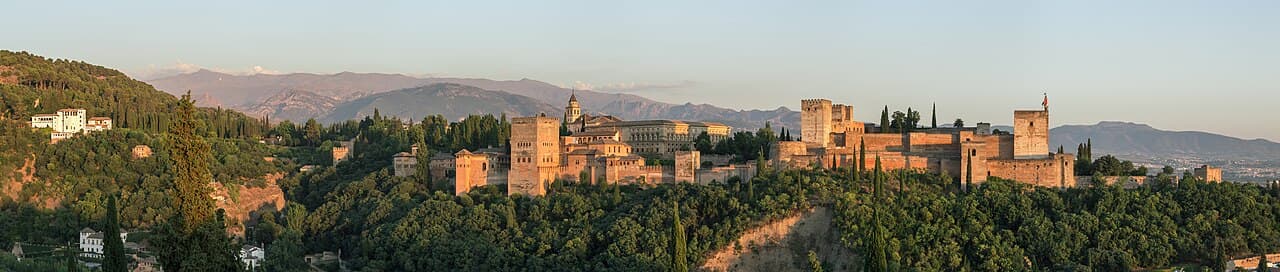
Andalusia is the soul of southern Spain — a region of 87,000 square kilometres that concentrates everything the collective imagination associates with deep Spain: flamenco born in the tablaos of Seville and the caves of Granada's Sacromonte, the Moorish palaces of the Alhambra and the Alcázar, the mosque-cathedral of Córdoba whose forest of bicolour columns is unique in the world, the Pueblos Blancos (white villages) clinging to the cliffs of the Sierra de Grazalema, and the sherry of Jerez best tasted in cool bodegas under the shade of olive trees.
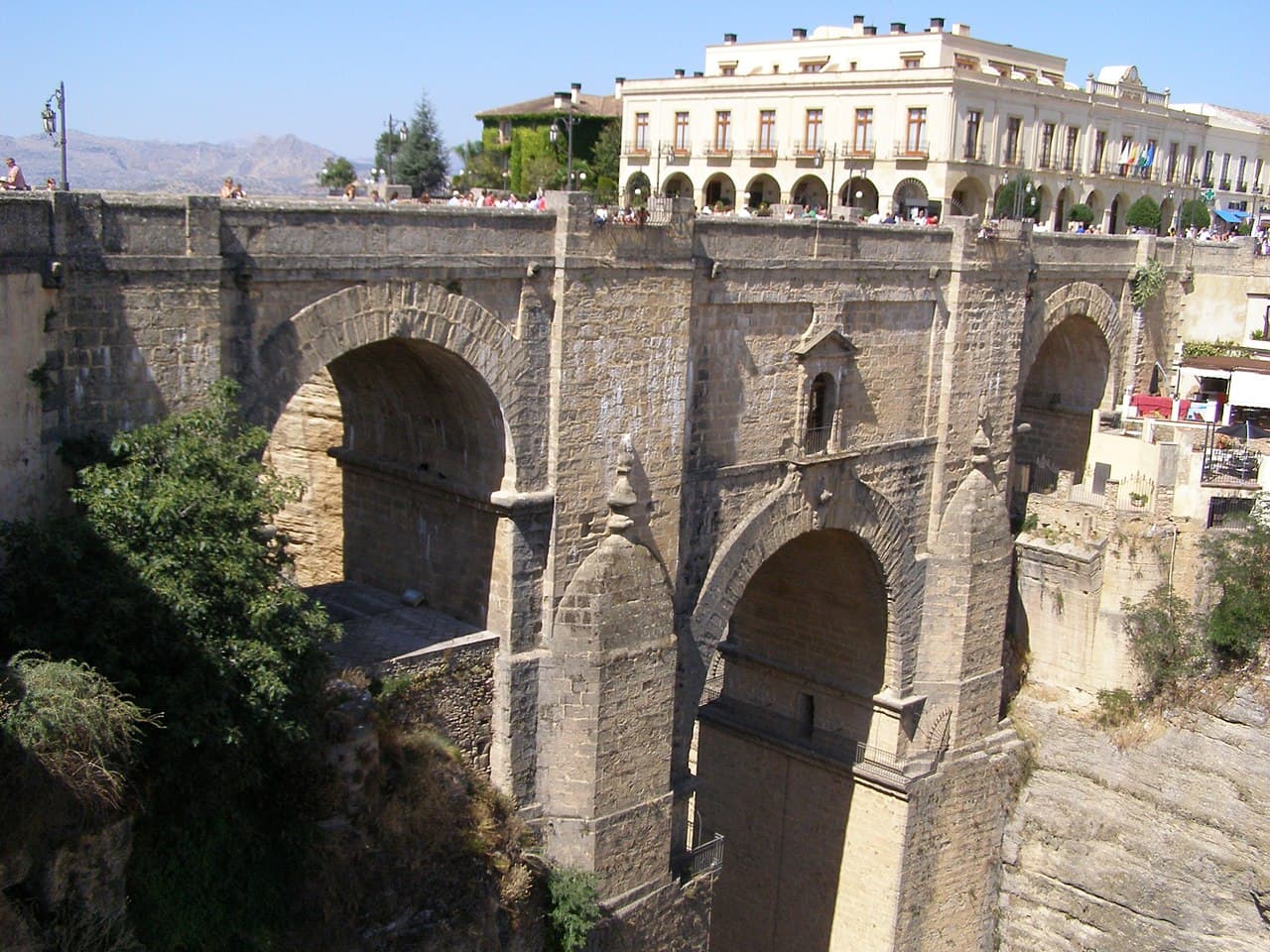
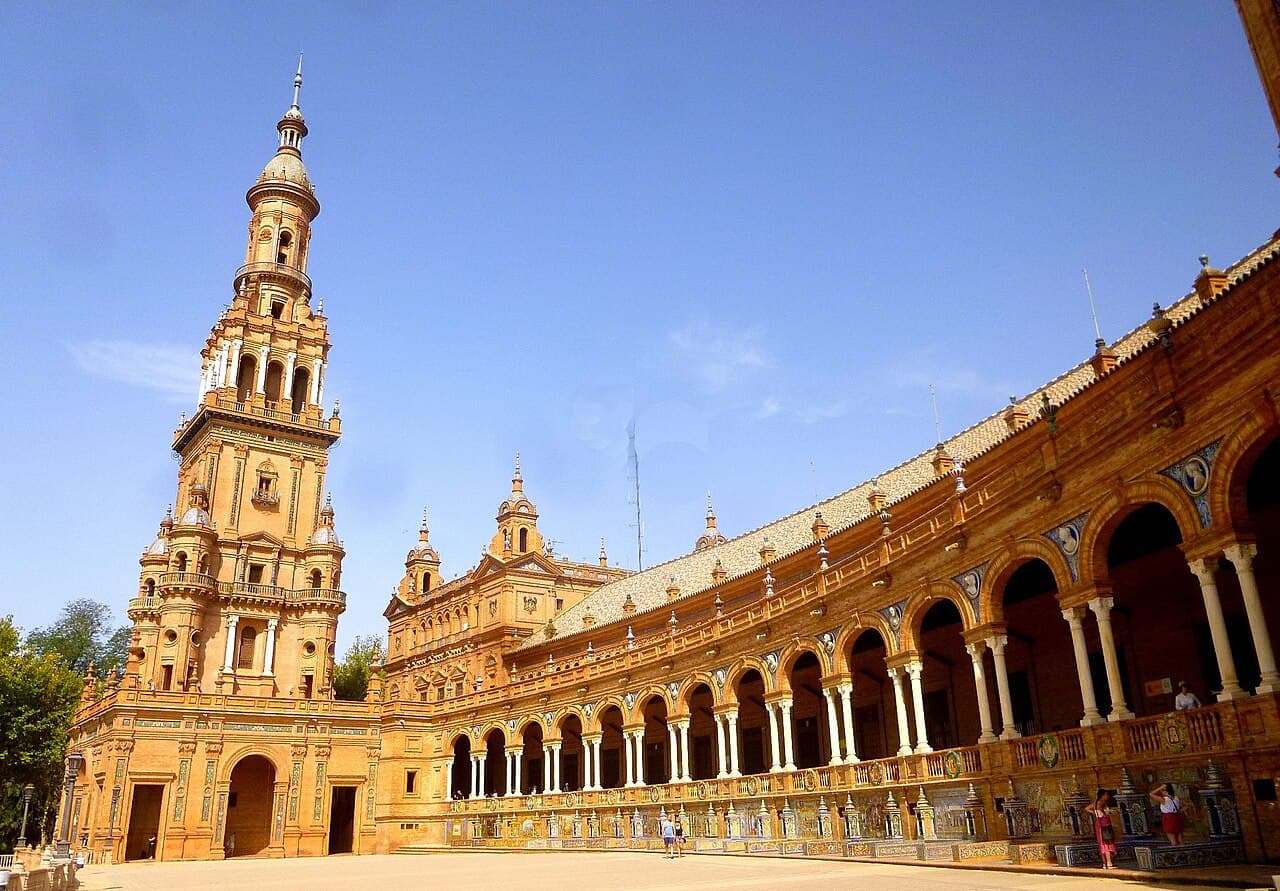
Five major cities structure the discovery of the region. Seville, the Andalusian capital, dazzles with its Gothic cathedral (the largest in Spain), its Alcázar royal residence and its Plaza de España, a jewel of neo-Moorish architecture. Granada, dominated by the Alhambra and nestled at the foot of the Sierra Nevada, offers one of humanity's greatest architectural masterpieces. Córdoba and its mezquita-catedral — a palimpsest of history between Islam and Christianity — are listed as UNESCO World Heritage. Málaga, Picasso's birthplace, is the gateway to the Costa del Sol and reinventing itself as a first-rate cultural destination. And Ronda, suspended above the Tajo gorge, may be the most dramatically sited town in Spain.
With 320 days of sunshine a year on average, Andalusia is also the sunniest region in continental Europe — a fact that explains its exuberant agriculture (olive trees, orange groves, sherry vines), the dazzling whiteness of its villages and the meridional torpor that grips the cities between 2 pm and 5 pm, replaced each evening by nightlife of incomparable intensity.
Spots in the region
Situation
Où se situe Andalusia ?
Ouvrir la carte en grand sur OpenStreetMap →Frequently asked questions
How many days do you need to visit Andalusia properly?+
When should I book the Alhambra?+
When is the best time to visit Andalusia?+
Should I prioritise Seville or Granada?+
What are the Pueblos Blancos and which ones should I visit?+
How do I discover Jerez sherry?+
How do I get around Andalusia?+
Our verdict
Andalusia is one of Europe's richest regions for heritage, culture and gastronomy. The golden rule: avoid July-August for the inland cities (Seville, Córdoba, Granada) and come in spring or autumn for the best experience. Book the Alhambra months ahead, include at least one flamenco performance, and get lost in the lanes of the Pueblos Blancos for the most authentic Andalusia. This region demands time — a minimum of one week, ideally two — to avoid the trap of a breathless highlight reel.