
Mowando

Climate & seasons

When to visit Morocco?

By La rédaction · Updated 20/05/2026

The Editors
The Editorsauteur principal✓ Verified

Expert on Morocco · 1 contributions

The best periods

The best time to visit Morocco is March to May and September to November.

Mar, Avr, Mai, Sep, Oct, Nov

Printemps & automne — saisons idéales

  • Températures douces pour visiter villes et médinas
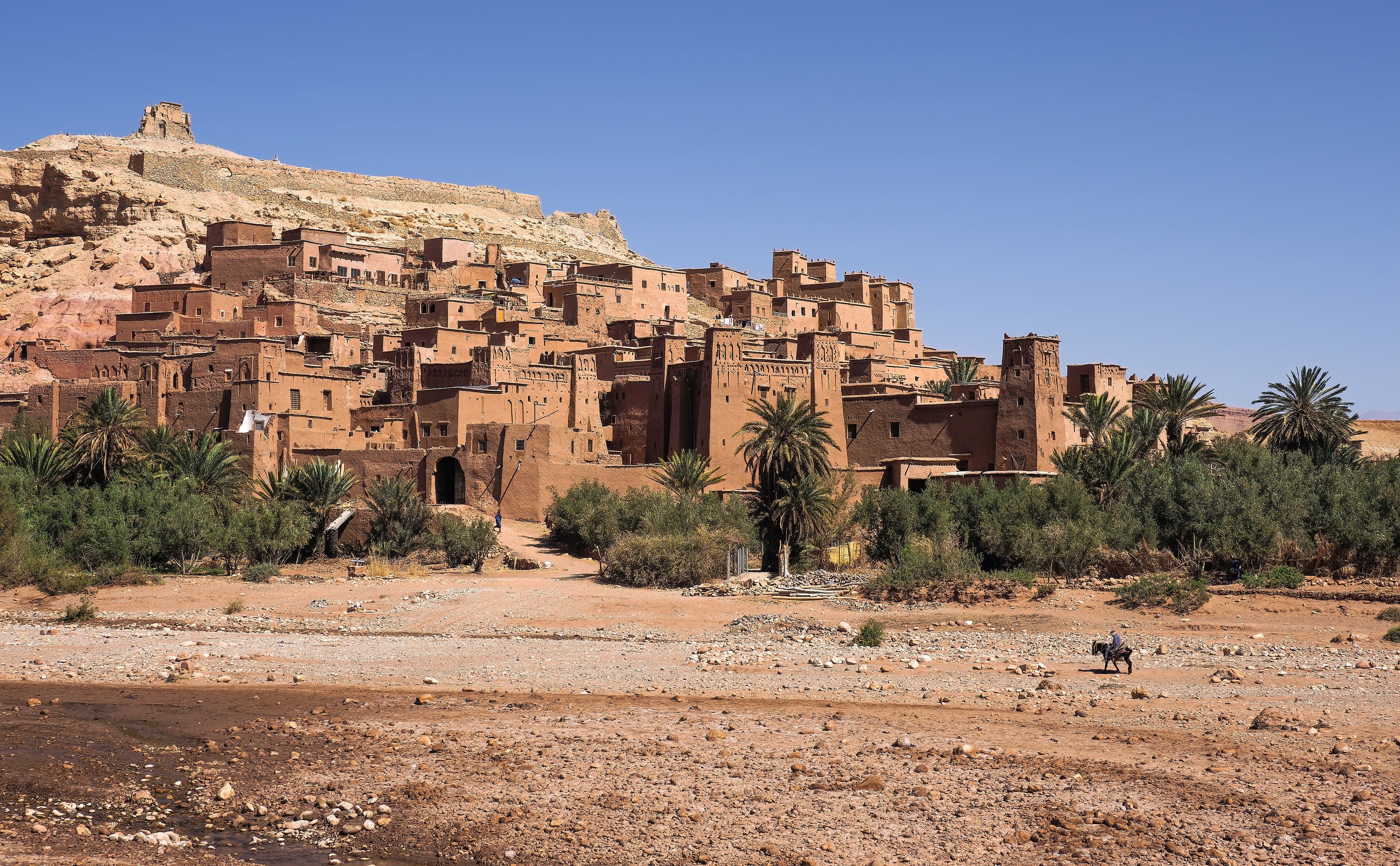
  • Lumière magnifique sur les paysages et les ksour
  • Conditions parfaites pour le trek dans l'Atlas
  • Affluence touristique élevée sur les sites majeurs
  • Tarifs d'hébergement plus hauts qu'en été
Juin, Jui, Aoû

Été — chaud à l'intérieur, doux sur la côte

  • Côte atlantique (Essaouira) fraîche et venteuse
  • Soirées animées et festivals
  • Chaleur extrême à Marrakech et Fès (40 °C et plus)
  • Visites de médinas éprouvantes en milieu de journée
Déc, Jan, Fév

Hiver — doux le jour, frais la nuit

  • Villes impériales agréables à visiter
  • Ski possible à Oukaïmeden, neige sur le Haut Atlas
  • Nuits froides, hébergements parfois mal chauffés
  • Cols de l'Atlas parfois fermés par la neige

Frequently asked questions

When is the best time to visit Morocco?+
Spring (March to May) and autumn (September to November) are the sweet spots for Morocco: warm but not punishing, ideal for both medina-walking and trekking in the High Atlas. Avoid July and August inland, when Marrakech and Fes routinely cross 40°C. The Atlantic coast around Essaouira stays cool and breezy year-round, while the Sahara is best from October to April.
Do I need a visa for Morocco?+
Most travellers from the UK, EU, US, Canada, Australia and New Zealand do not need a visa for Morocco for tourist stays of up to 90 days. A passport valid for the length of your stay is normally enough — Morocco does not enforce the strict six-month rule applied by some neighbours, but having three months' validity past your return date is a sensible buffer. Check current rules with your local Moroccan consulate before booking.
Is Morocco safe for solo female travellers?+
Morocco is generally safe and welcomes millions of visitors every year, but solo female travellers should expect some unwanted attention, especially in the busiest medinas. Dressing modestly (shoulders and knees covered), walking confidently, ignoring touts politely and choosing well-rated riads over backstreet bookings all help. Many women travel through Morocco solo without major incident; group day-tours are a comfortable option for desert or Atlas trips.
How many days do I need in Morocco?+
A long weekend (3-4 days) is enough for a city break in Marrakech or Fes. One week lets you pair an imperial city with an Atlas trek or an Essaouira escape. Ten days to two weeks open up the classic loop — Marrakech, the High Atlas, the Sahara dunes of Merzouga, the kasbahs of Ouarzazate and Aït Benhaddou, then back via Essaouira. Slow travellers easily fill three weeks across Morocco without repetition.
What currency is used in Morocco?+
The Moroccan dirham (MAD, often written DH). It is a closed currency, so you cannot import or export it freely — withdraw or exchange on arrival. The rate hovers around €1 ≈ 10.8 MAD. Cards are accepted in hotels, riads and larger restaurants; cash is essential in souks, taxis and rural areas. ATMs are widespread in cities; carry small notes for tips and small purchases.
Is Morocco a safe country to visit?+
Yes — Morocco is rated a safe destination and tourism is a pillar of the economy. Violent crime against visitors is rare and the police presence is visible in tourist zones. The main nuisances are pickpocketing in crowded medinas, persistent touting and unmetered taxis. Agree the fare before getting in, walk past unwanted offers without engaging, and keep valuables out of sight in souks.
What should I wear in Morocco?+
Morocco is a Muslim country with a broadly tolerant but conservative dress code in public spaces. Cover shoulders and knees in medinas, religious sites and rural areas; lightweight long sleeves and loose trousers are more comfortable than shorts in the heat anyway. Swimwear is fine at pool clubs and beach resorts. Pack a scarf for women — useful for sun, dust and the occasional mosque visit — and warm layers in winter, when desert nights drop close to freezing.

Our verdict

Morocco remains one of the most complete and accessible destinations from Europe, packing medinas, mountains, desert and ocean into a single itinerary. Its strengths lie in a deep heritage — nine UNESCO sites, centuries of imperial history and a thousand-year-old craft tradition — alongside one of the most sophisticated cuisines in the Mediterranean and excellent value for money outside the luxury bracket. The hospitality of riads, the rituals of the hammam and the easy 3-hour flight from London or Paris make Morocco one of the rare destinations that genuinely feels like an escape while remaining logistically straightforward. Few countries combine such cultural depth with such modern travel infrastructure — high-speed trains, low-cost flights, English-speaking guides — and at this kind of price point.

The other side of the coin: aggressive touts in the busiest medinas, summer heat that crosses 40°C in Marrakech and Fes, and crowds on the headline sights in shoulder season. Tap water is best avoided and the medina maze can be disorienting on day one. None of this is a deal-breaker — a guide for the first day in the medina, a spring or autumn departure and a willingness to bargain politely will smooth almost every rough edge. For a first trip to Morocco, pair an imperial city with an Atlas or Atlantic escape; for a second visit, head south into the Sahara or north into the Rif. Whichever route you take, you'll leave already plotting the return.

When to visit Morocco — climate and best travel seasons · Mowando