Region
Fes-Meknes Region
The world's oldest medina, an imperial city and Roman ruins — heritage Morocco.
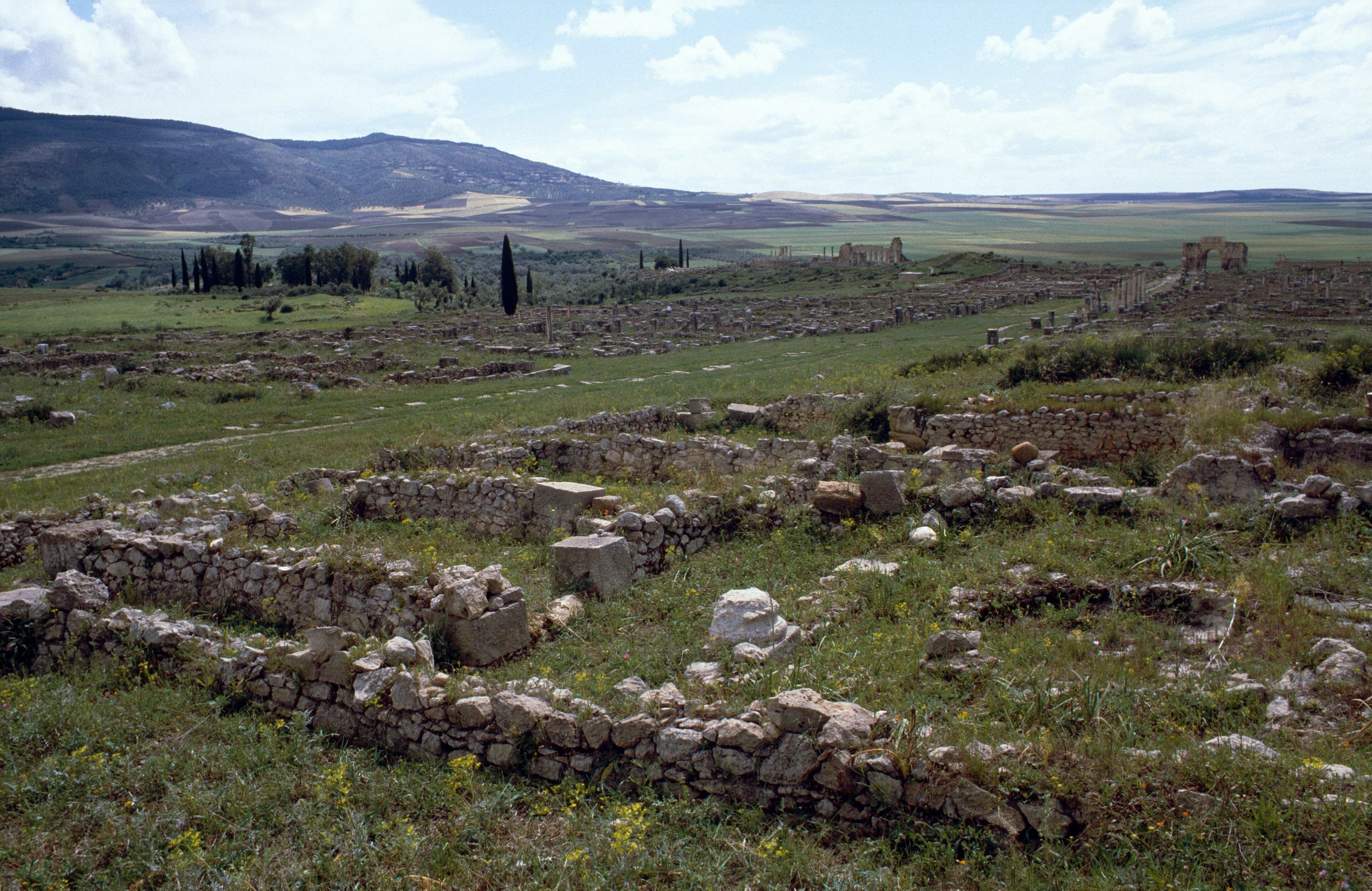
The Fes-Meknes region is the spiritual and intellectual cradle of Morocco. Fes holds the oldest inhabited medina on the planet and one of the world's oldest universities, while Meknes — imperial city of Moulay Ismail — lines up monumental gates, granaries and royal stables that still stagger visitors three centuries later. A few kilometres away, the ancient site of Volubilis bears witness to the country's Roman past, with mosaics that have weathered the Atlas winds since the second century AD; the nearby holy hill of Moulay Idriss adds a spiritual dimension to the loop.
Greener and noticeably less crowded than Marrakech, the Fes-Meknes region appeals to travellers who put heritage and authenticity above easy comfort. Where Marrakech polishes its tourism shopfront, Fes preserves a more raw, lived-in atmosphere: the medina is largely still home to its 150,000 residents, the artisans hammer copper in the same alleys their ancestors did, and the call to prayer rolls over a sea of roofs that has barely changed since the 14th century. Pair this with the imperial monuments of Meknes, the Roman ruins of Volubilis, the holy hill of Moulay Idriss and the cedar forests of the Middle Atlas, and the Fes-Meknes region emerges as the deepest cultural region in Morocco — and the country's most rewarding second trip.
The practical setup of the Fes-Meknes region is straightforward: Fes-Saïss airport handles direct flights from London, Paris and several European hubs, the ONCF rail network links the region to Casablanca, Tangier and Rabat in under four hours, and a one-day excursion easily covers Meknes, Volubilis and Moulay Idriss in a single loop. Three nights in a riad inside Fes el-Bali, with a licensed guide for day one, is the minimum needed to break through the initial disorientation and start enjoying the city on its own terms.
Situation
Où se situe Fes-Meknes Region ?
Ouvrir la carte en grand sur OpenStreetMap →Frequently asked questions
How many days do I need in the Fes-Meknes region?+
Is Fes suitable for a first trip to Morocco?+
How do I get to Volubilis?+
When is the best time to visit the Fes-Meknes region?+
Fes or Marrakech for a first trip?+
Are there good wines around Meknes?+
Our verdict
The Fes-Meknes region is the heritage Morocco par excellence: nowhere else is history as physically present as when you lose yourself in the Fes medina, navigating a labyrinth of more than 9,000 alleys that have changed remarkably little since the 14th century. Less scenically dramatic than Marrakech-Safi, the Fes-Meknes region compensates with a rare authenticity and a noticeably gentler tourist density. The trade-off is real — Fes is intense and disorienting on first contact, the medina demands more from the visitor than Marrakech, and the surrounding region offers less in the way of leisure-nature for travellers seeking beach or pure relaxation.
We'd suggest the Fes-Meknes region for a second Moroccan trip, or for travellers who explicitly put culture before scenery. The sweet-spot itinerary: two to three days in Fes, one day combining Meknes, Volubilis and Moulay Idriss, and a possible add-on to the Middle Atlas cedar forests around Azrou and Ifrane. Couples seeking atmospheric riads, history buffs, craft collectors and slow travellers will find this region the most rewarding in Morocco; sun-and-sand travellers and families with very young children may prefer the Marrakech-Safi region or the Atlantic coast further south. Travel in April-May or September-October for the gentlest temperatures and the softest light on the medina rooftops.