Region
The Cyclades
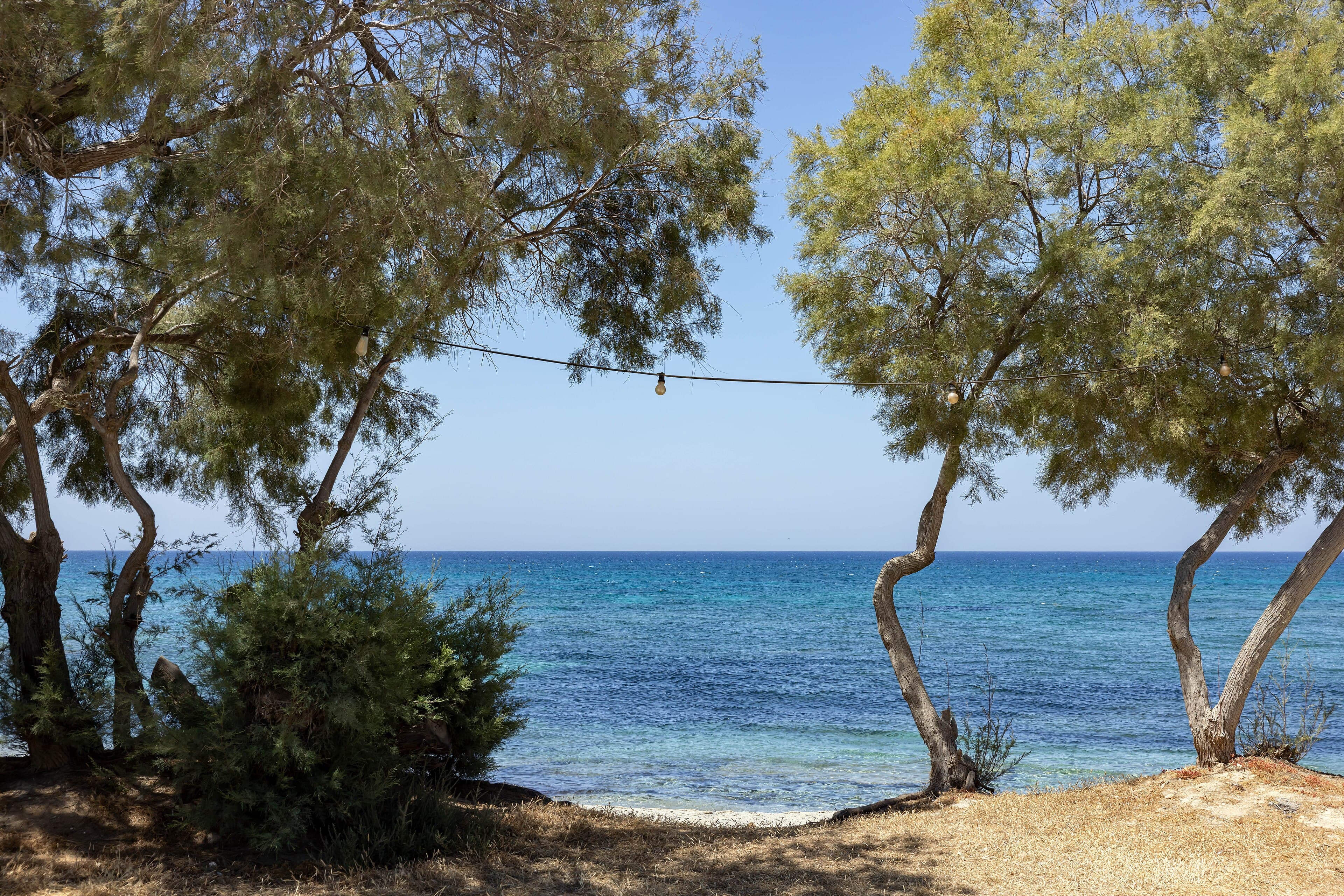
Whitewashed villages, windmills and turquoise water — the picture-postcard image of island Greece.
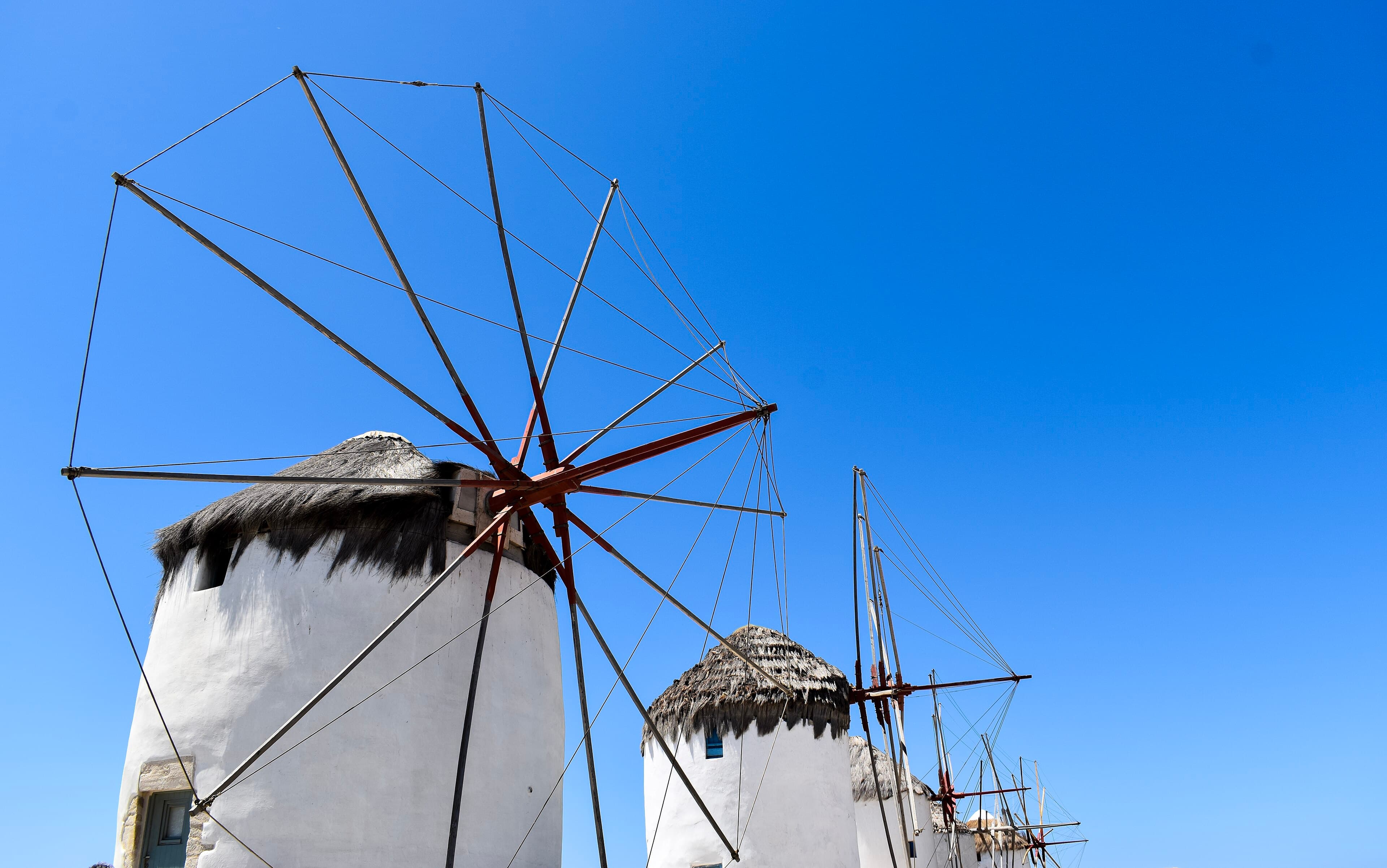
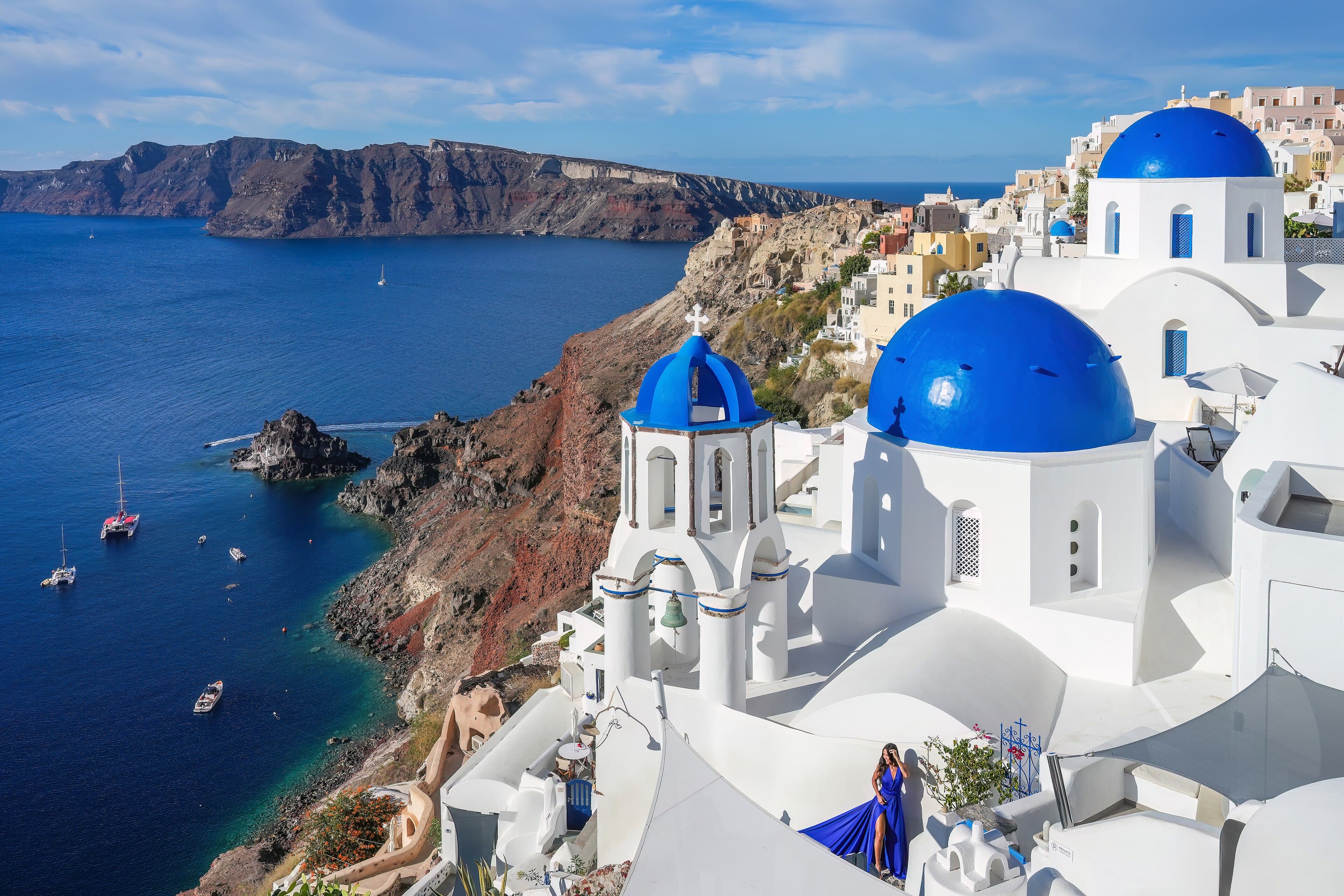
The Cyclades form Greece's most iconic archipelago: roughly thirty inhabited islands scattered across the Aegean Sea, all united by the same architectural language — white cubic houses, blue-domed churches, ribboned windmills — yet each with a markedly different personality. The dramatic volcanic caldera of Santorini is one of the most photographed landscapes on earth; Mykonos delivers glamour, beach clubs and a nightlife that has shaped European summer culture for half a century; while quieter neighbours like Naxos, Paros, Folegandros and Sifnos reveal a more authentic, mountainous, taverna-led version of island Greece.
What ties the Cyclades together is the light. The Aegean sun here is unusually clean and direct, sharpening every whitewashed wall and bouncing back off the sea in a way that has bewitched painters, poets and Instagrammers alike. Add powdery sand beaches, hidden coves, cliff-top sunsets, taverns where the wine is brought in unlabelled carafes, and ferry crossings that feel like a holiday in their own right, and you have what may be the most defining holiday landscape of the Mediterranean. Whether you're a first-timer chasing the Santorini–Mykonos combo or a returning traveller in search of a Cycladic island nobody has heard of yet, the archipelago rewards anyone willing to slow down and ride a few extra boats.
Spots in the region
Situation
Où se situe The Cyclades ?
Ouvrir la carte en grand sur OpenStreetMap →Frequently asked questions
How many Cycladic islands should you visit in one trip?+
How do you get around the Cyclades?+
Which Cycladic island should I choose for a first visit?+
When is the best time to visit the Cyclades?+
Are the Cyclades expensive?+
Is Santorini overcrowded in July and August?+
Our verdict
The Cyclades are the quintessence of island Greece — nowhere else in the Mediterranean does the play of white and blue feel quite this photogenic, nor the light this clean. The real strength of the archipelago lies in its variety: in a single week you can pair the operatic drama of Santorini with the cosmopolitan glamour of Mykonos, then add a quieter third island — Naxos, Sifnos or Folegandros — to remember what unhurried Greek life actually tastes like. Inter-island ferries are dense and efficient in summer, the food is consistently good, and even the briefest crossings feel like part of the trip rather than a chore.
The downside is well known. Santorini and Mykonos are paying the price of their own fame: peak-season crowds, cruise-ship surges, sun-lounger fees that read like restaurant bills. The Meltemi can disrupt ferries and rough up exposed beaches; out of season, the archipelago largely closes. The cure is straightforward: travel in shoulder season, mix one flagship island with one off-the-radar neighbour, book ferries early, and resist the urge to cram in five islands in a week. Treated this way, the Cyclades remain one of the great Mediterranean joys — an archipelago that genuinely lives up to its postcards.